Sign up to receive the newsletter including our weekly meal plan
Oops! Something went wrong while submitting the form
The bottles, jars and kitchen tools we reach for every week to cook full-flavored food without salt. Sodium can vary a lot from brand to brand, so these are the ones we trust. Always check the label, since recipes change. We encourage buying the low sodium options in the store. However, we know not everything is available, which is why we try to make our recipes realistic for a working lifestyle, where most items can be found at Costco or Walmart.
The bottles and jars we reach for every week to add flavor with less sodium.
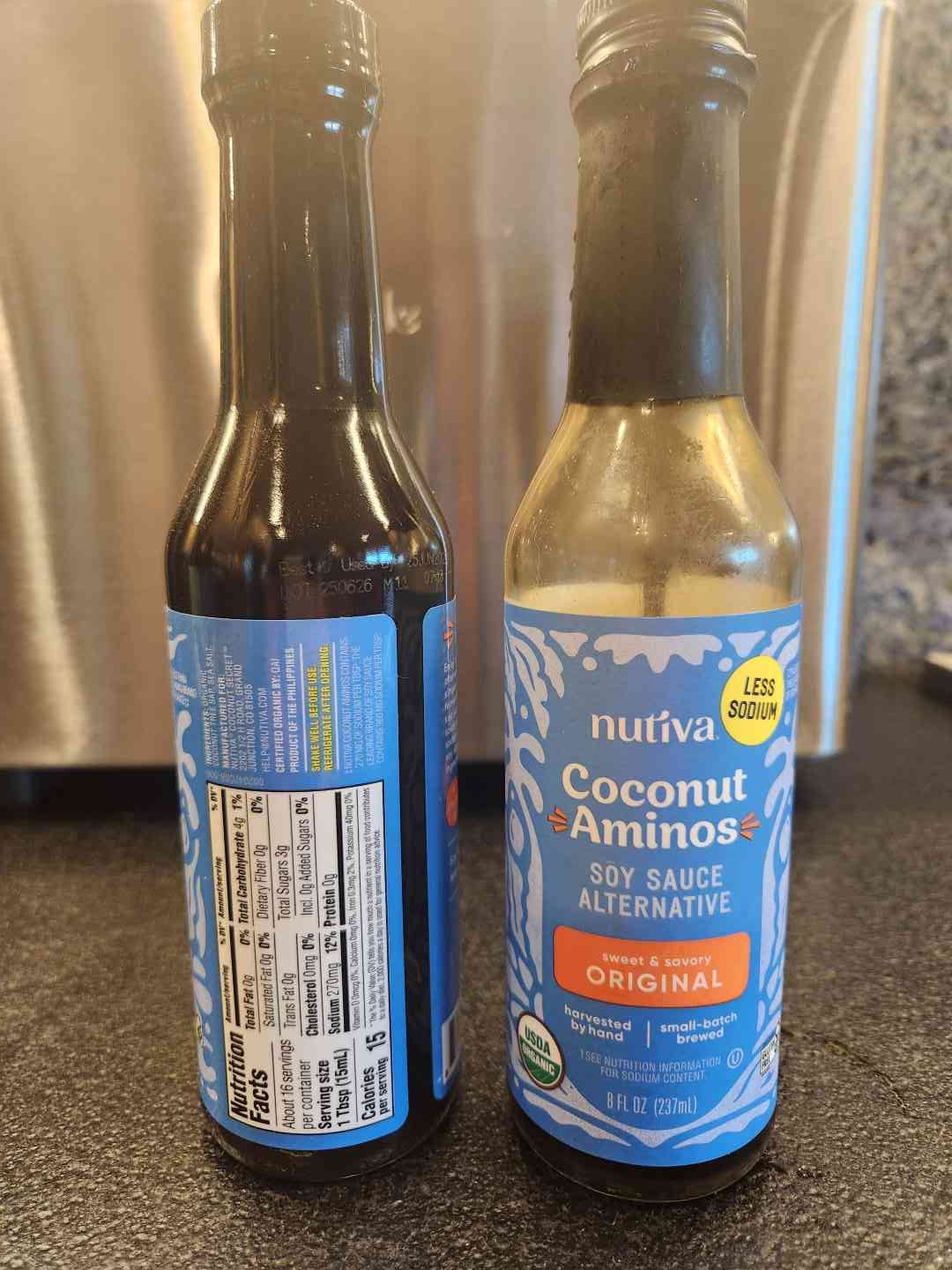
Our soy sauce replacement. We tried homemade versions with vinegar and molasses, but this is the only one that actually tastes like soy sauce to us.

All the savory depth of Worcestershire with less sodium. Great in marinades, dressings and on meats and vegetables. We still measure it; no free pouring.
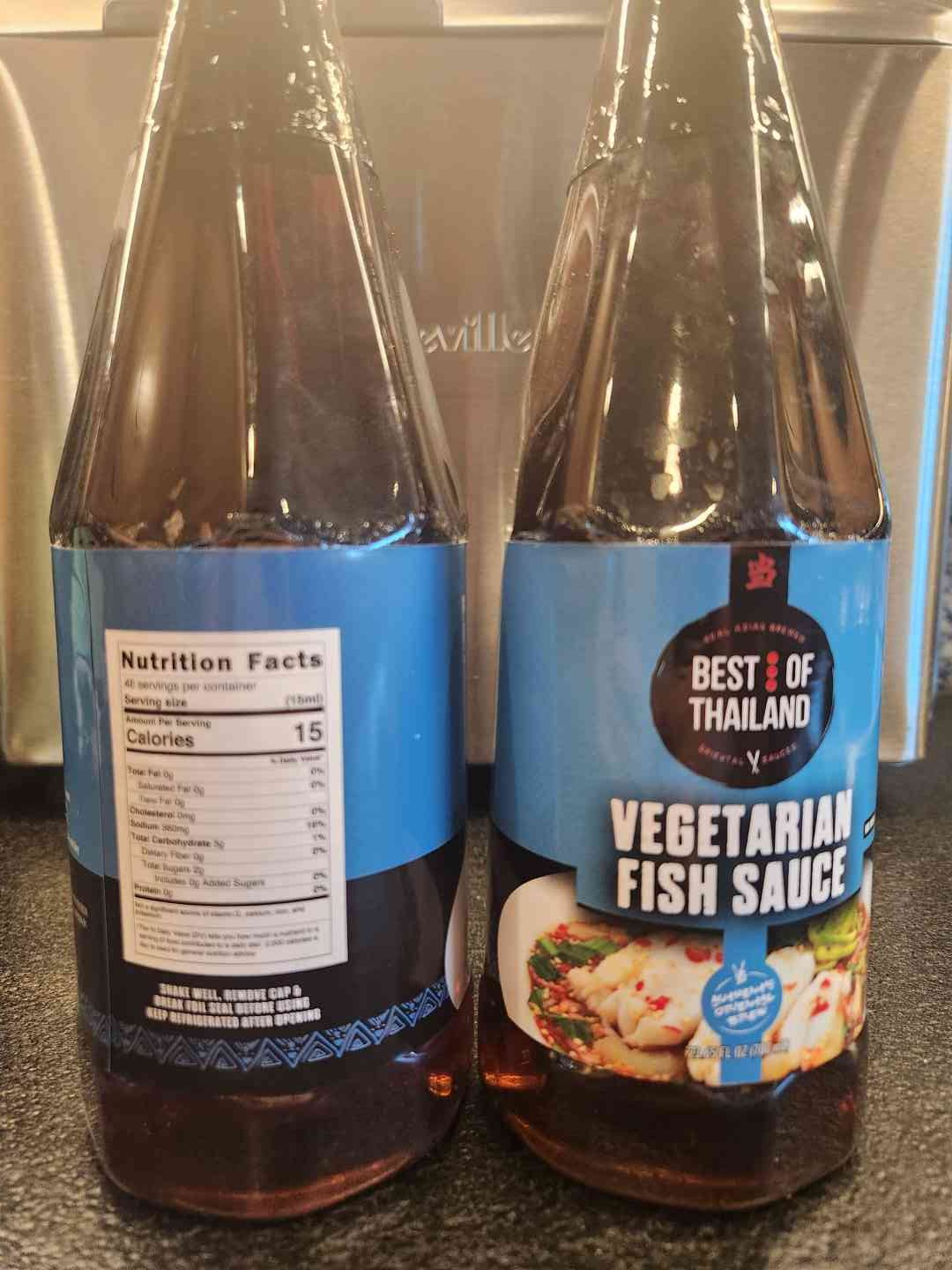
Shiitake mushrooms give it the umami and savory depth of fish sauce, with less sodium. It is much lighter than regular fish sauce but still delicious.
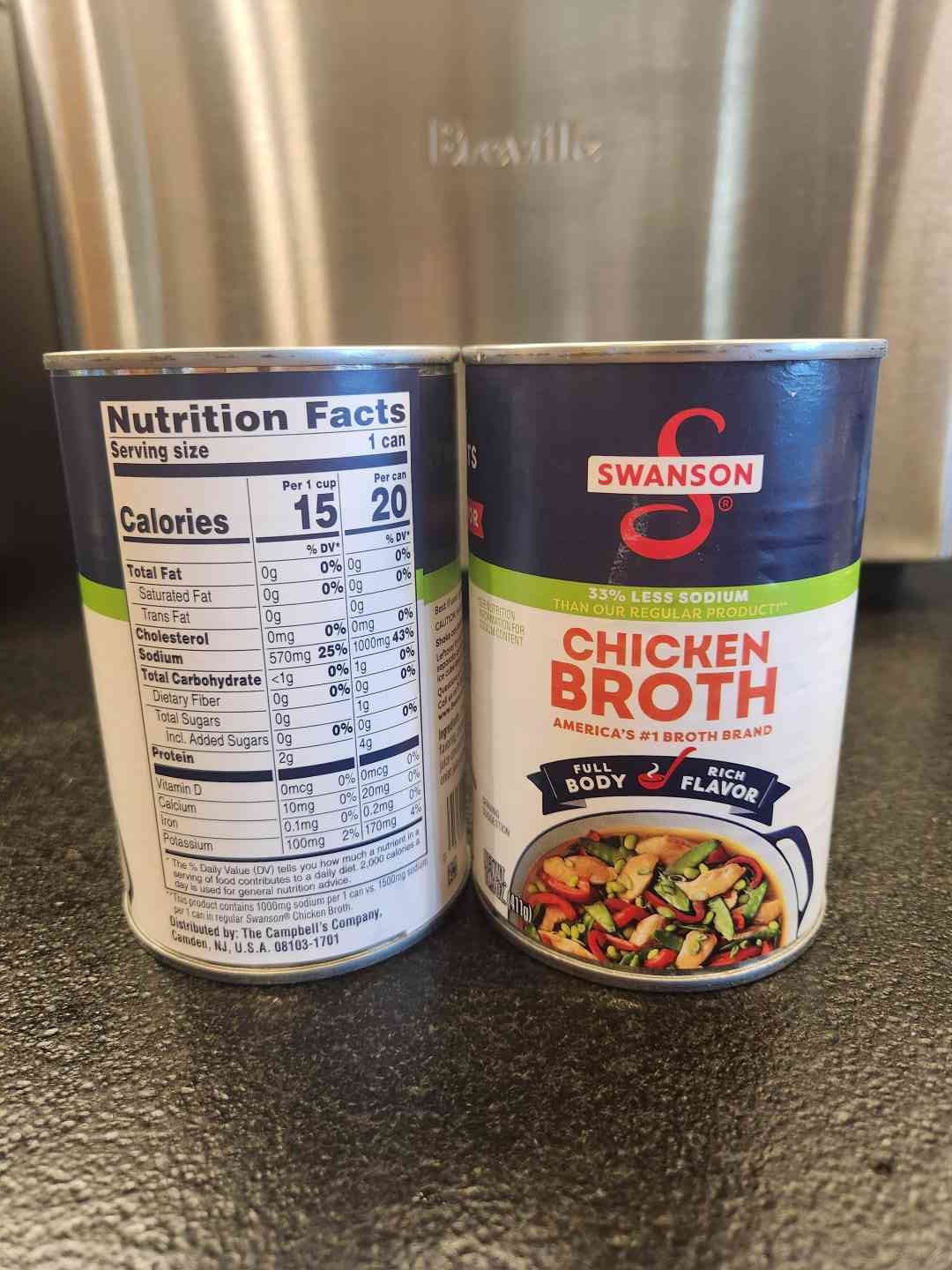
Homemade broth is best, but sometimes there's no time, or we forgot to make it on the weekend. Most of our recipes work with reduced sodium store-bought broth. There's no shame in a shortcut; it beats ordering takeout.
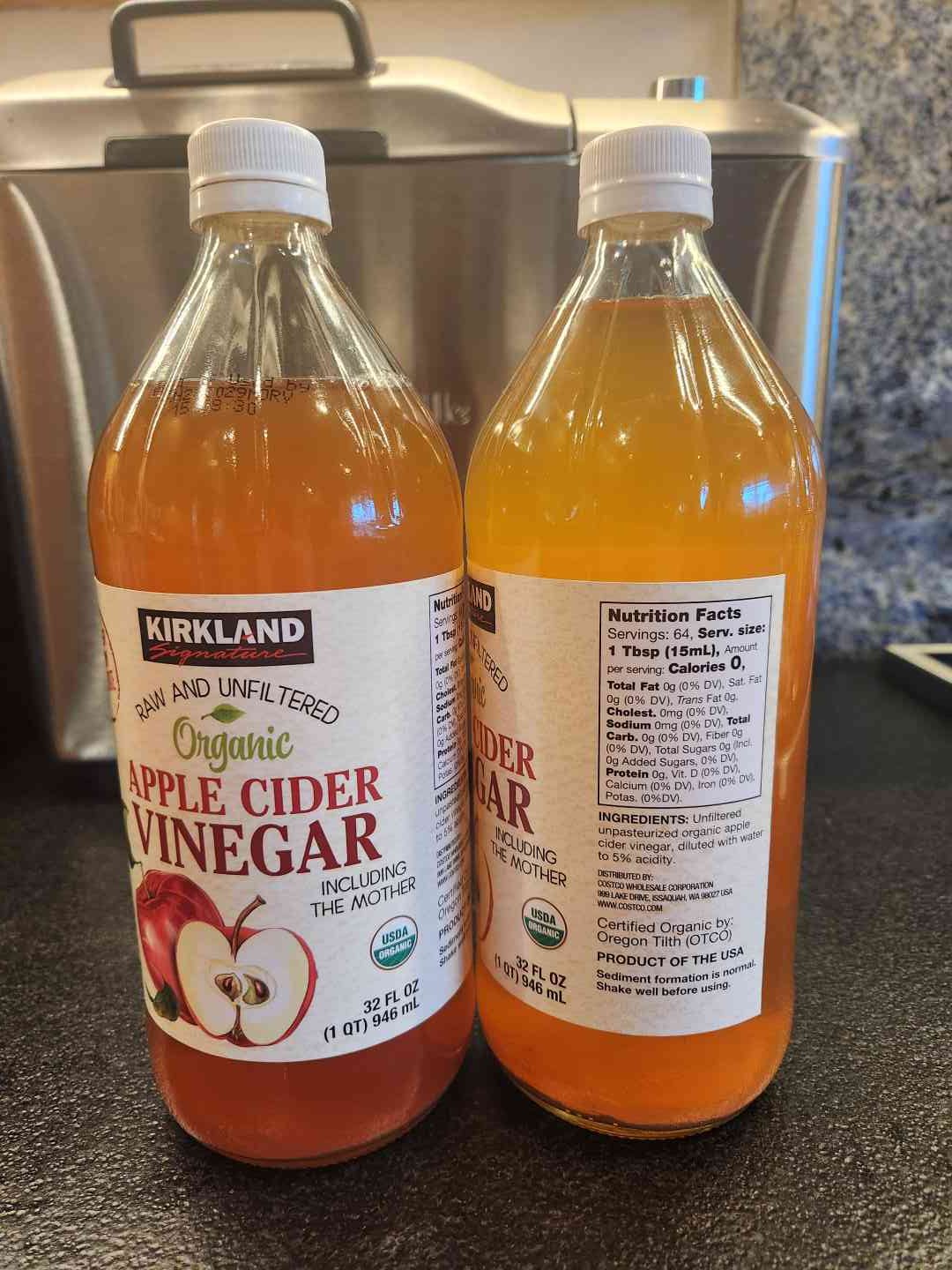
A bright, tangy splash for dressings, marinades and sauces, without adding much sodium.
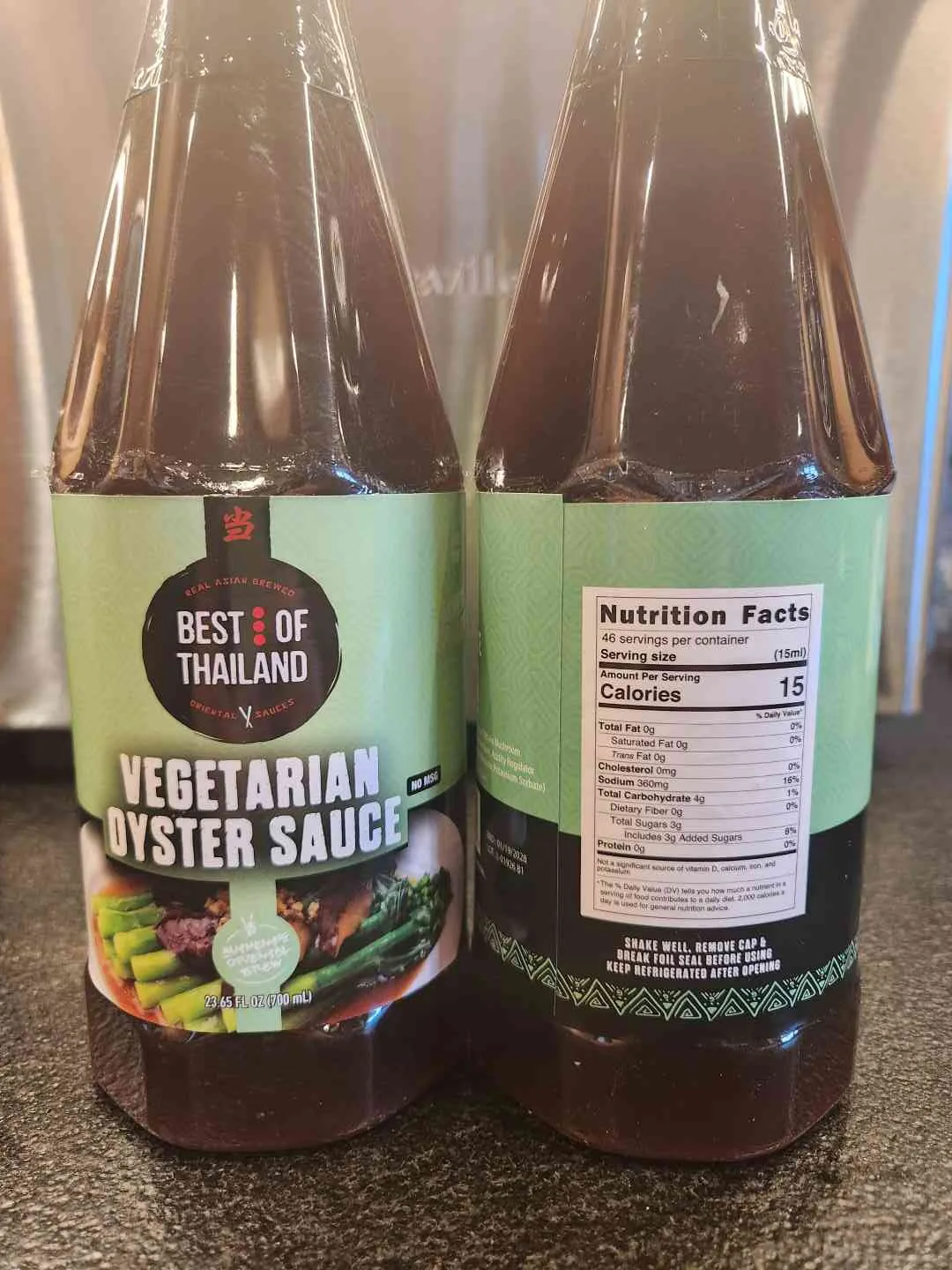
Vegetarian oyster sauce is a fantastic alternative for adding depth and umami flavor to dishes. It has slightly less sodium than regular oyster sauce and to us, oyster sauce is irreplacable in replicating Chinese dishes like beef with broccoli.
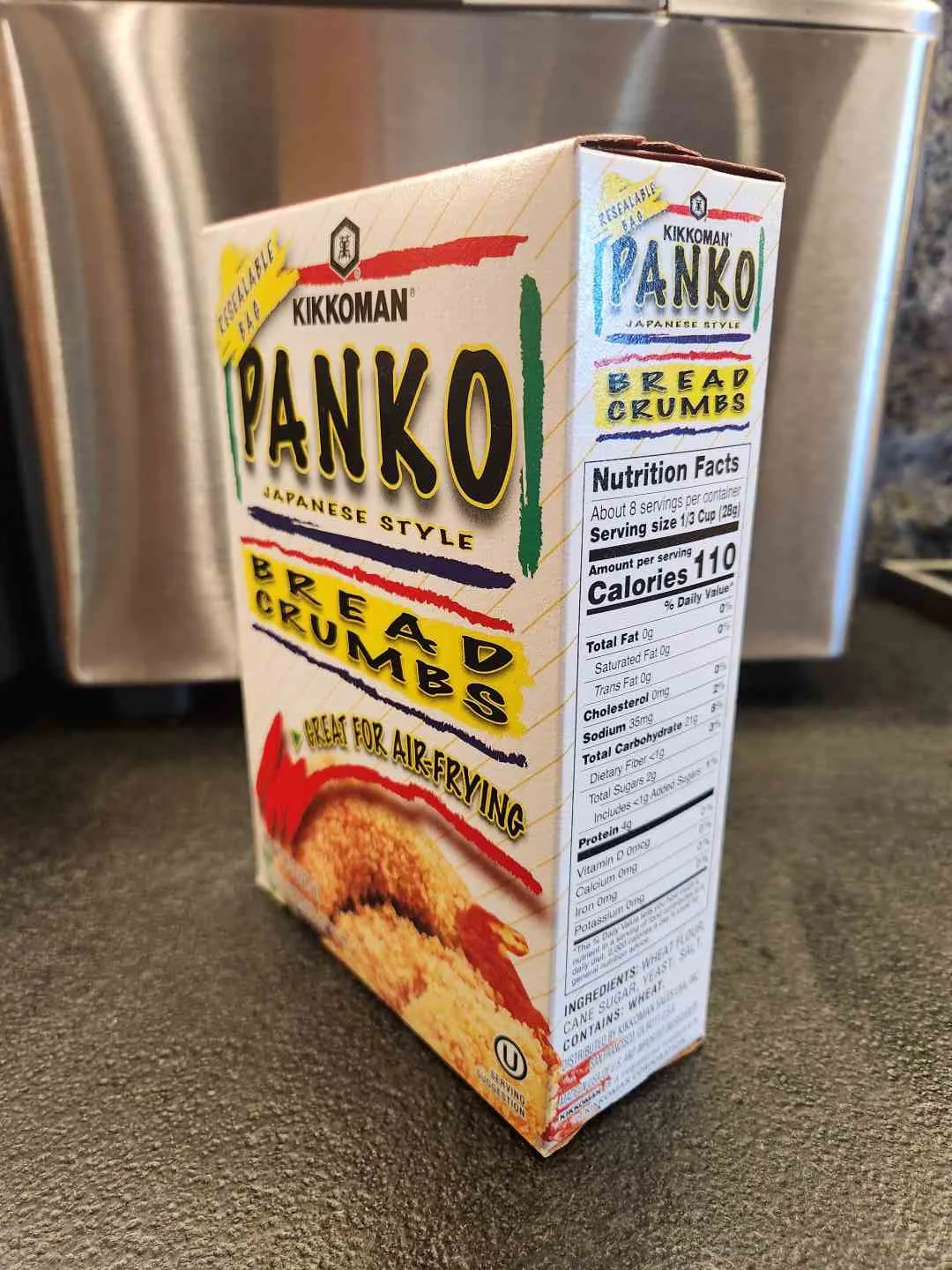
Panko breadcrumbs are a Japanese-style breadcrumb that is lighter and crispier than traditional breadcrumbs. The texture is difficult to replicate at home, so we buy them and usually mix them with our regualr homde breadcrumbs to achieve a super crunchy coating. Make sure you read the label as the sodium of store bought breadcrumbs can differ wildly.
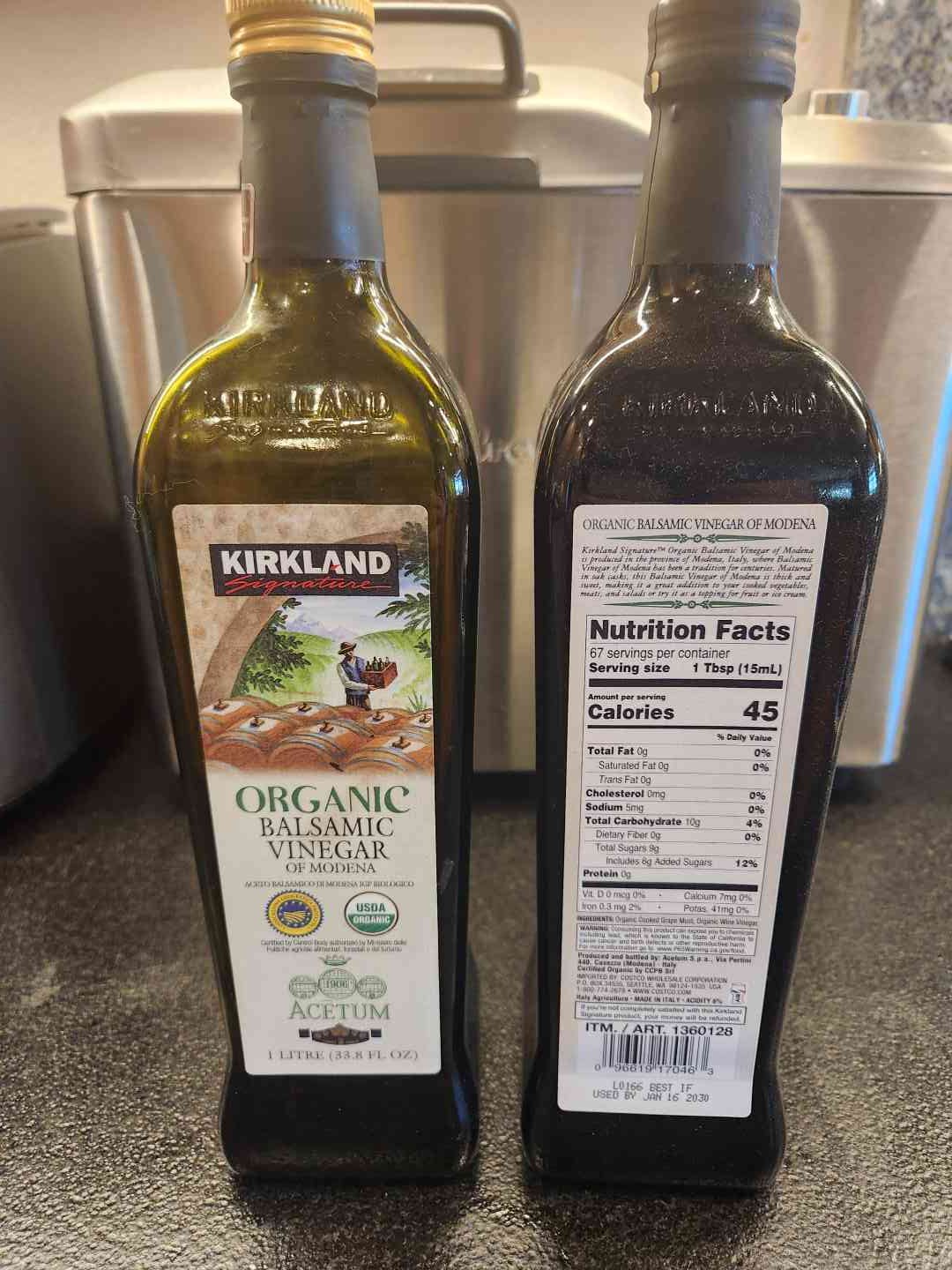
Sweet, tangy and rich. We drizzle it over salads and use it in marinades. We also use it as a low sodium swap for Chinese black vinegar (Chinkiang Vinegar) in Chinese dishes.
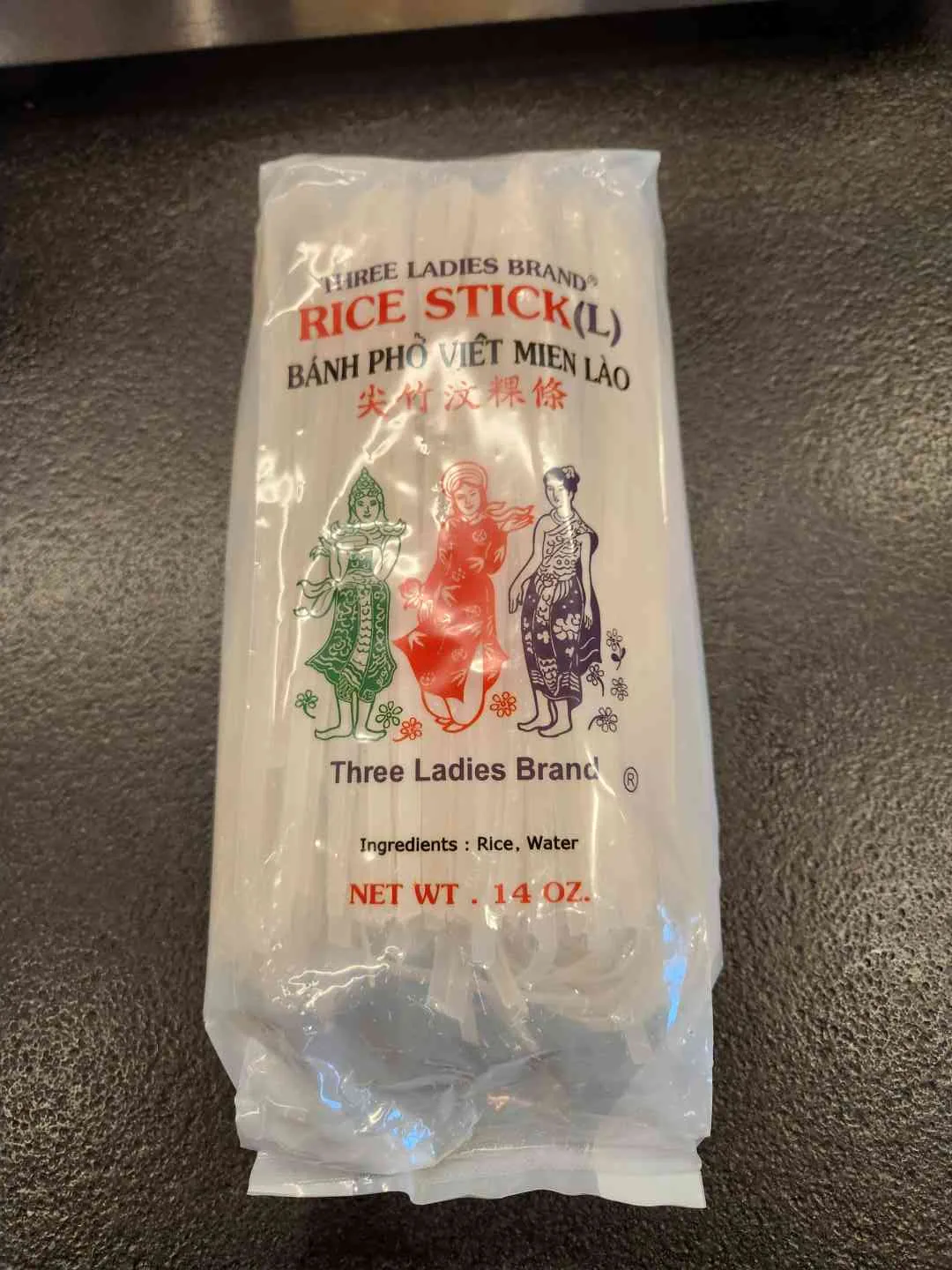
Rice sticks, also known as rice noodles are salt-free, gluten-free and can absorb flavors beautifully, making them perfect for stir-fries, soups, and salads. Their chewy texture adds a delightful contrast to various dishes, enhancing the overall dining experience. They can be found in the Asian section of grocery stores or in Asian grocery stores for more variety.

Whole peeled canned tomatoes are a staple in our kitchen due to their convenience. These tomatoes can be used in a variety of dishes, from sauces to soups, providing a rich, tangy base that enhances the overall taste of your meals especially during winter when tomatoes are out of season. It is difficult to find a no salt added variety, but at only 40mg sodium per 1/2 cup it is minimally different than no salt crushed canned tomatoes at 15mg per 1/2 cup and can be commonly found at Costco.
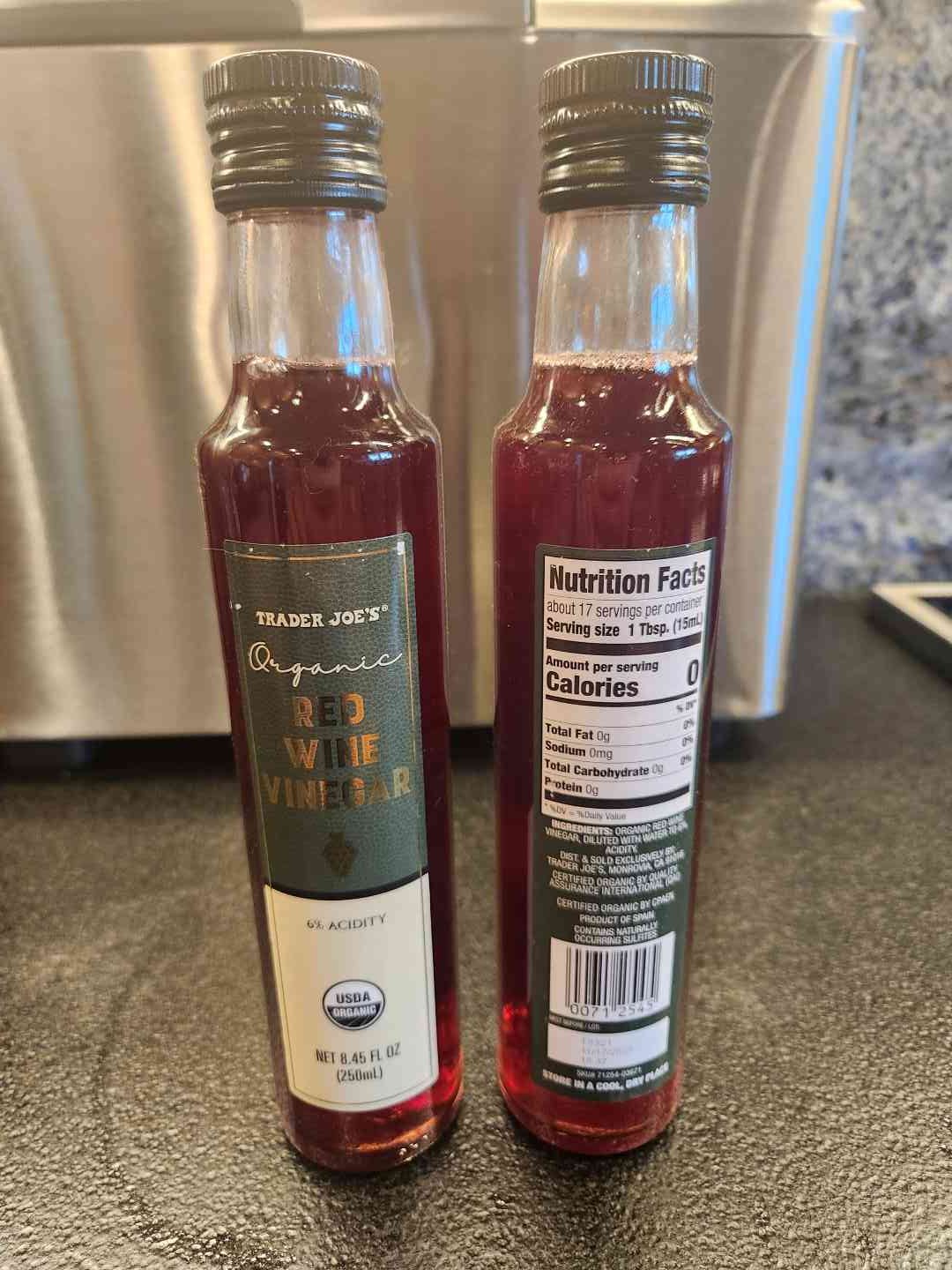
Our go-to for Mediterranean dressings and marinades. It brightens roasted vegetables and meats, and pairs perfectly with olive oil.
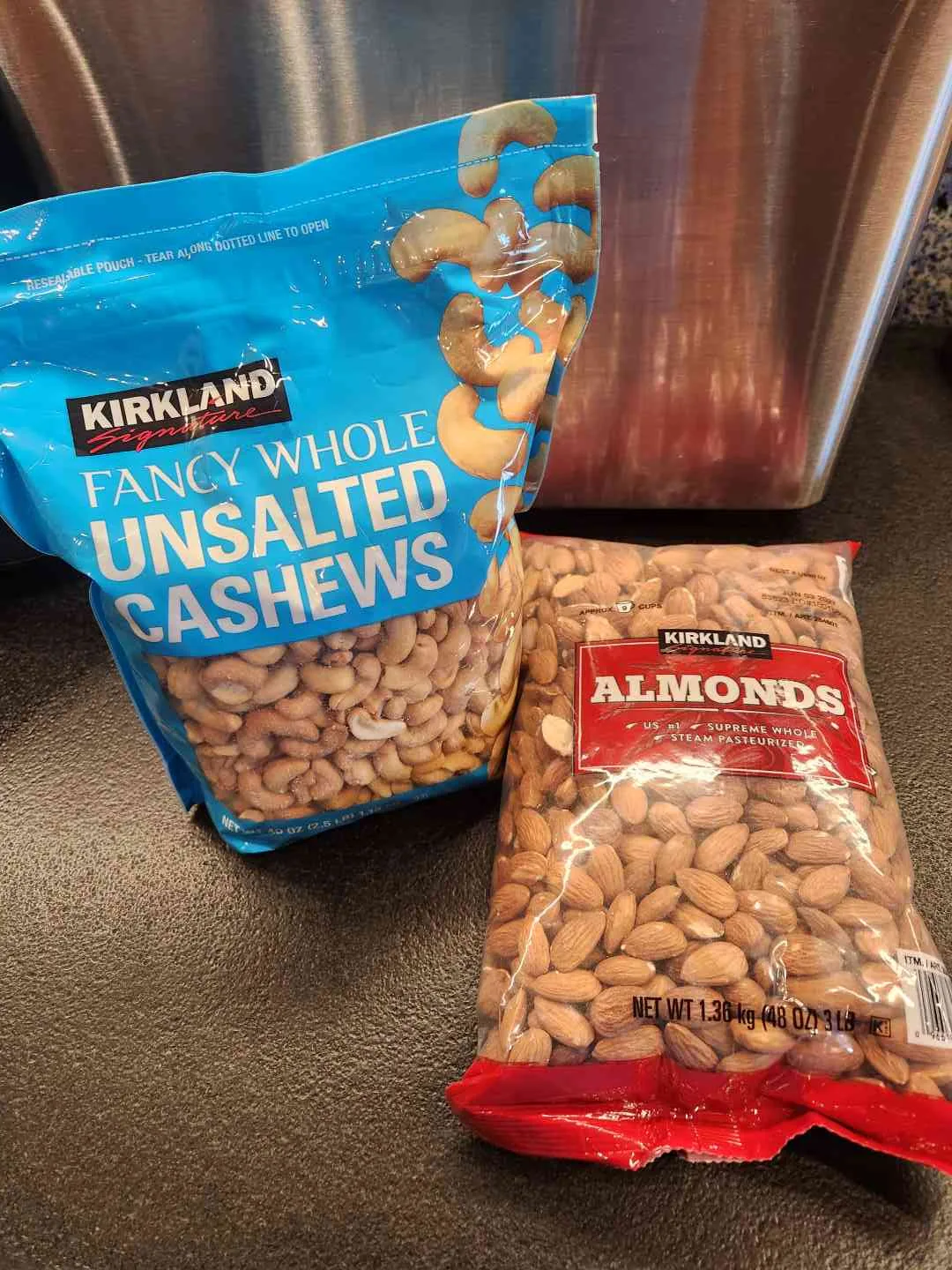
Unsalted nuts are a healthy snack option that provides essential nutrients, including protein, healthy fats, and fiber. They are versatile and can be added to salads, baked goods, or enjoyed on their own. Unsalted varieties help to control sodium intake, making them a heart-healthy choice for snacking or cooking.

No salt added tomato paste is a versatile ingredient that enhances the flavor of various dishes without contributing extra sodium. This concentrated form of tomatoes provides a rich, deep flavor that can elevate sauces, stews, and soups. Regular tomato paste usually has minimally higher sodium levels compared to the no salt added variety, so if you can only find regular tomato paste in your grocery store, it is usually fine. Double check the label.
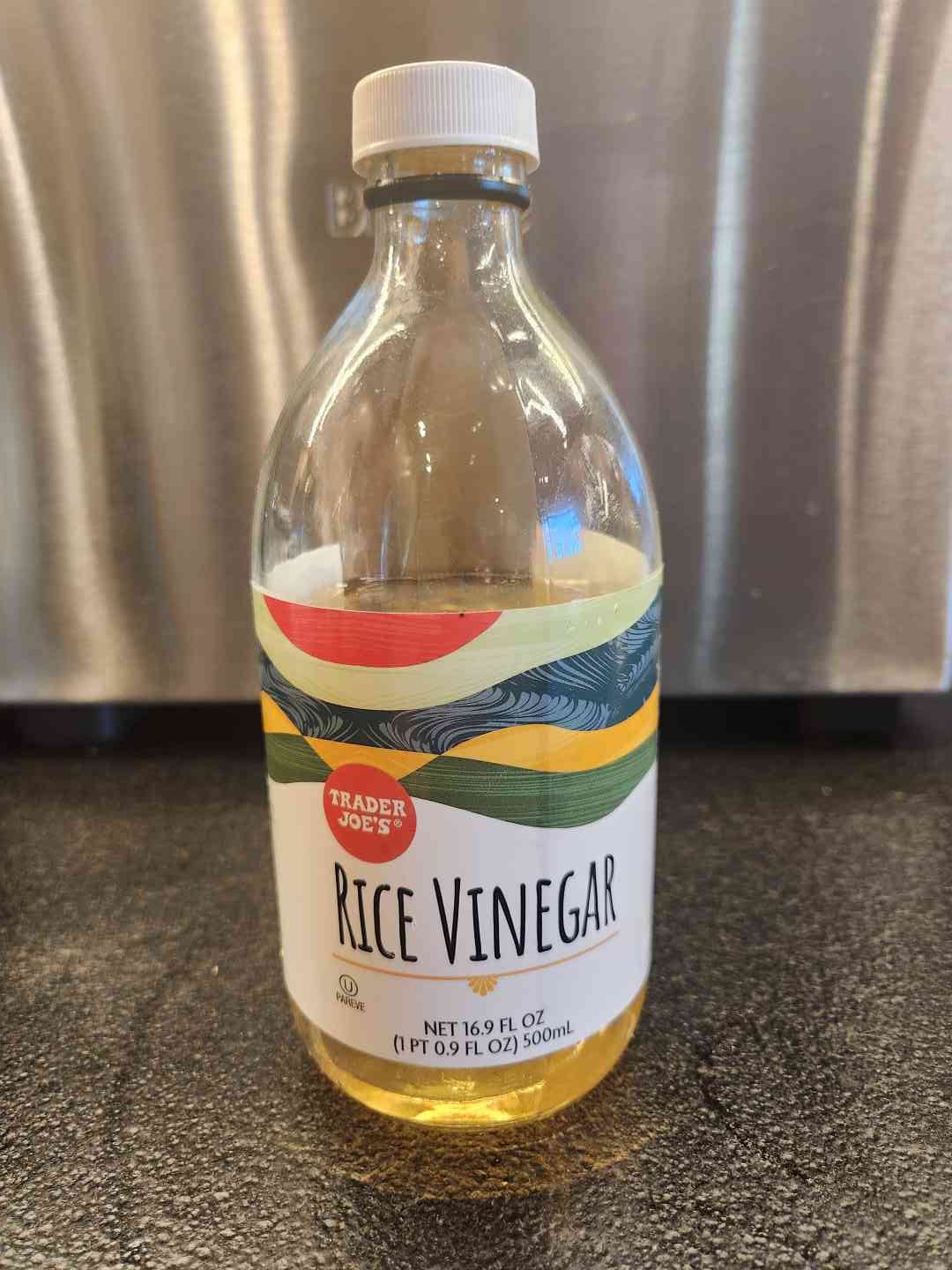
Mild acidity for Asian dressings, dipping sauces, sushi rice and quick pickles. Buy unseasoned, because seasoned rice vinegar has added salt.
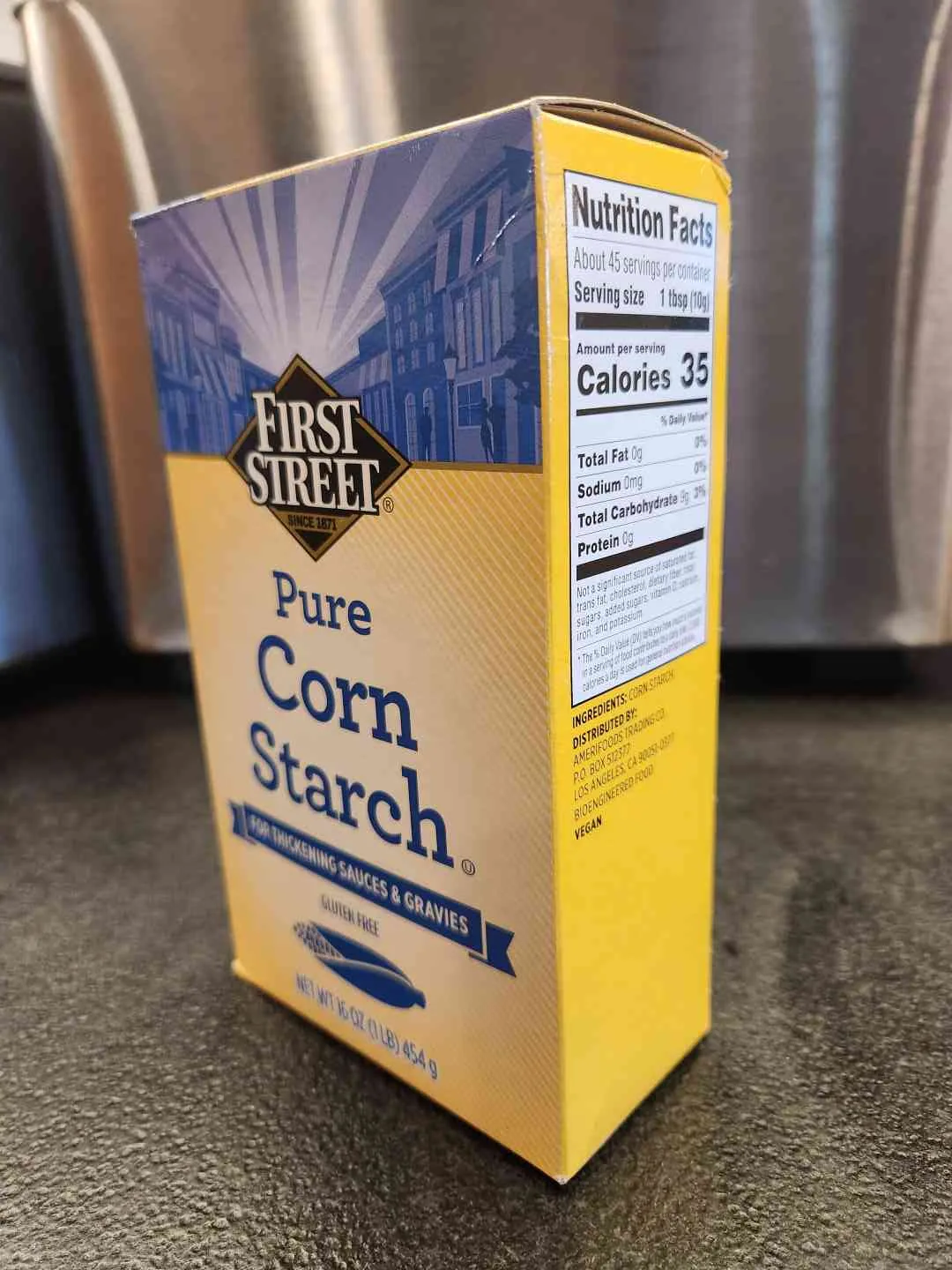
Corn and potato starch are essential thickening agents in cooking and baking. They provide a smooth texture to sauces, soups, and gravies without any sodium. When mixed with cold water, they create a slurry that can be added to hot liquids to achieve the desired thickness.
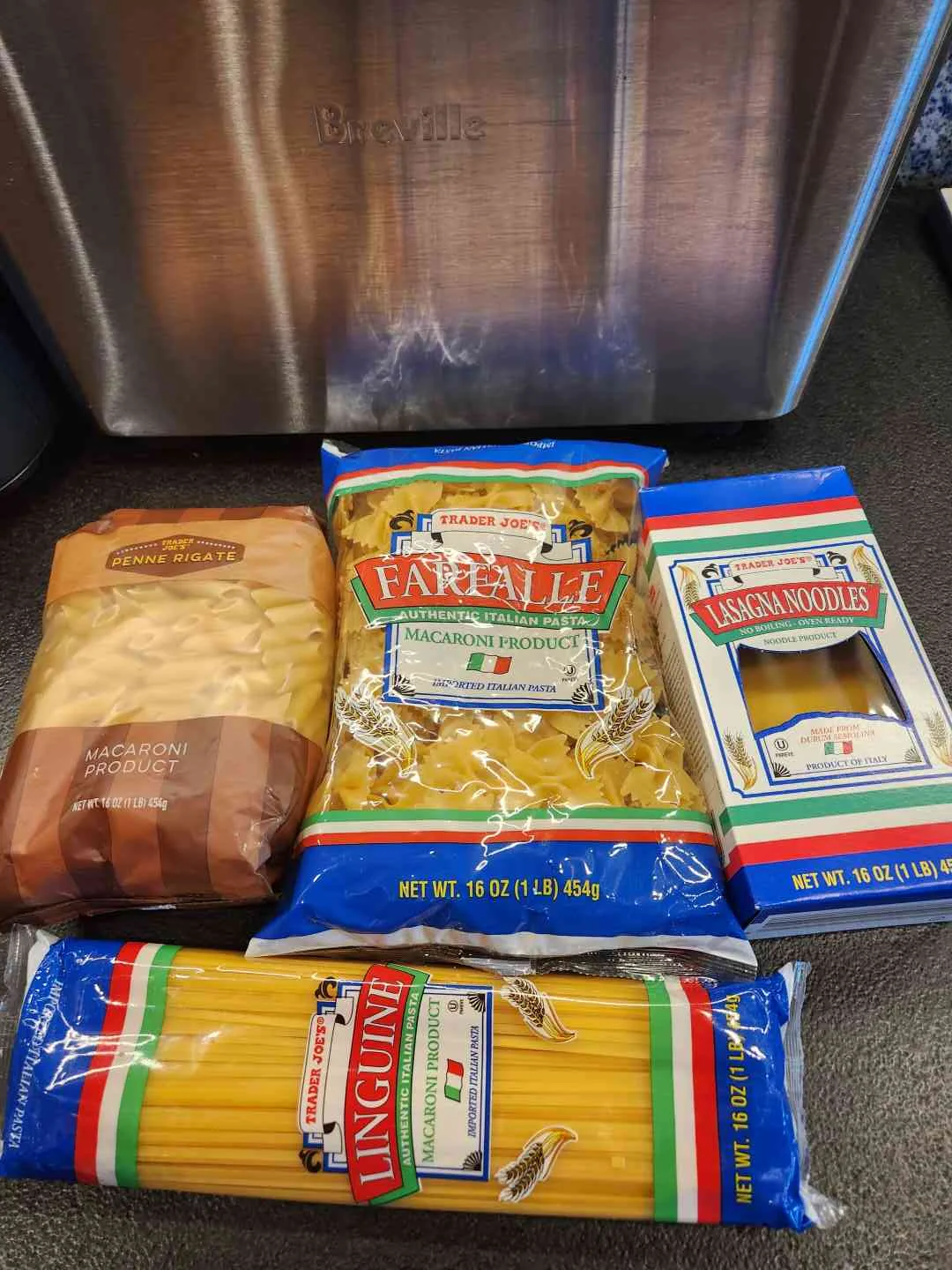
Dry pasta is a pantry staple that offers convenience. It cooks quickly and can be paired with a variety of sauces, proteins, and vegetables, making it an ideal choice for busy weeknight dinners. Most dry pasta is sodium-free as they are made from just flour and water.
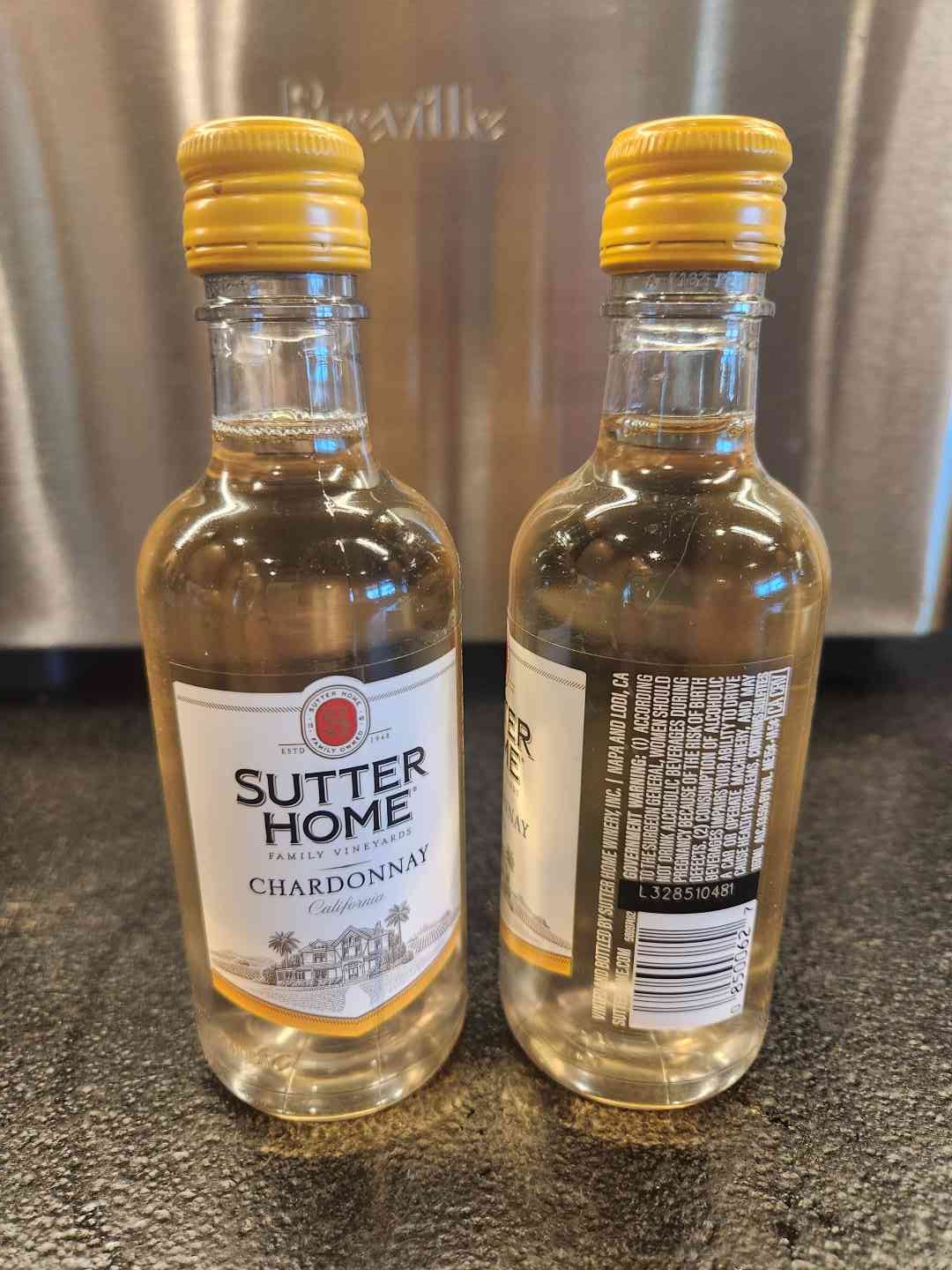
We use it in sauces and to build flavor when sautéing. Its subtle acidity does a lot of the work salt would.
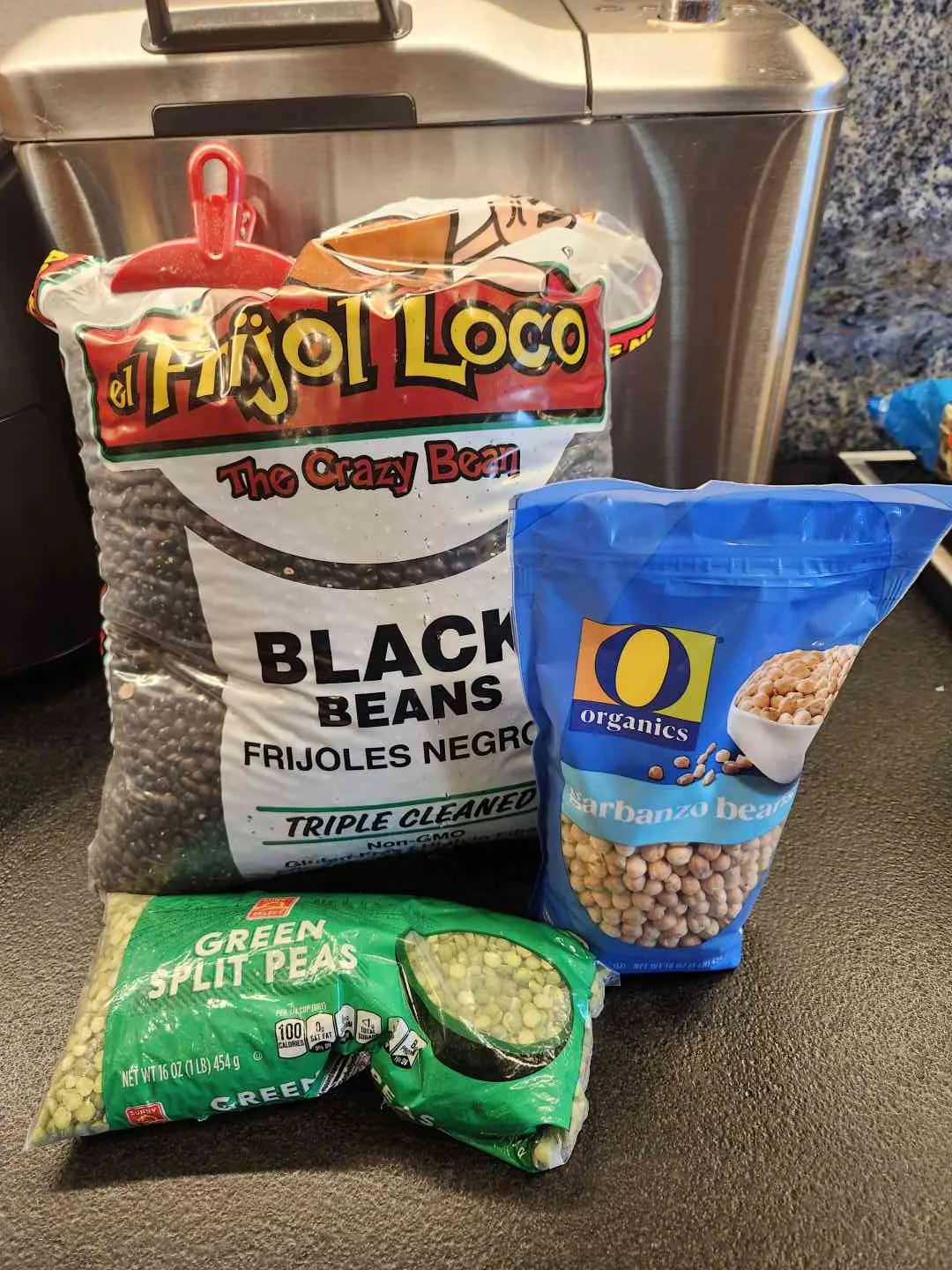
Dry beans can be used in a variety of dishes, from soups to salads. Our instant pot or any other electric pressure cooker cooks beans in 40 minutes, so you can easily reduce the sodium from store-bought canned beans. No more soaking and boiling for hours. It's cheaper too.
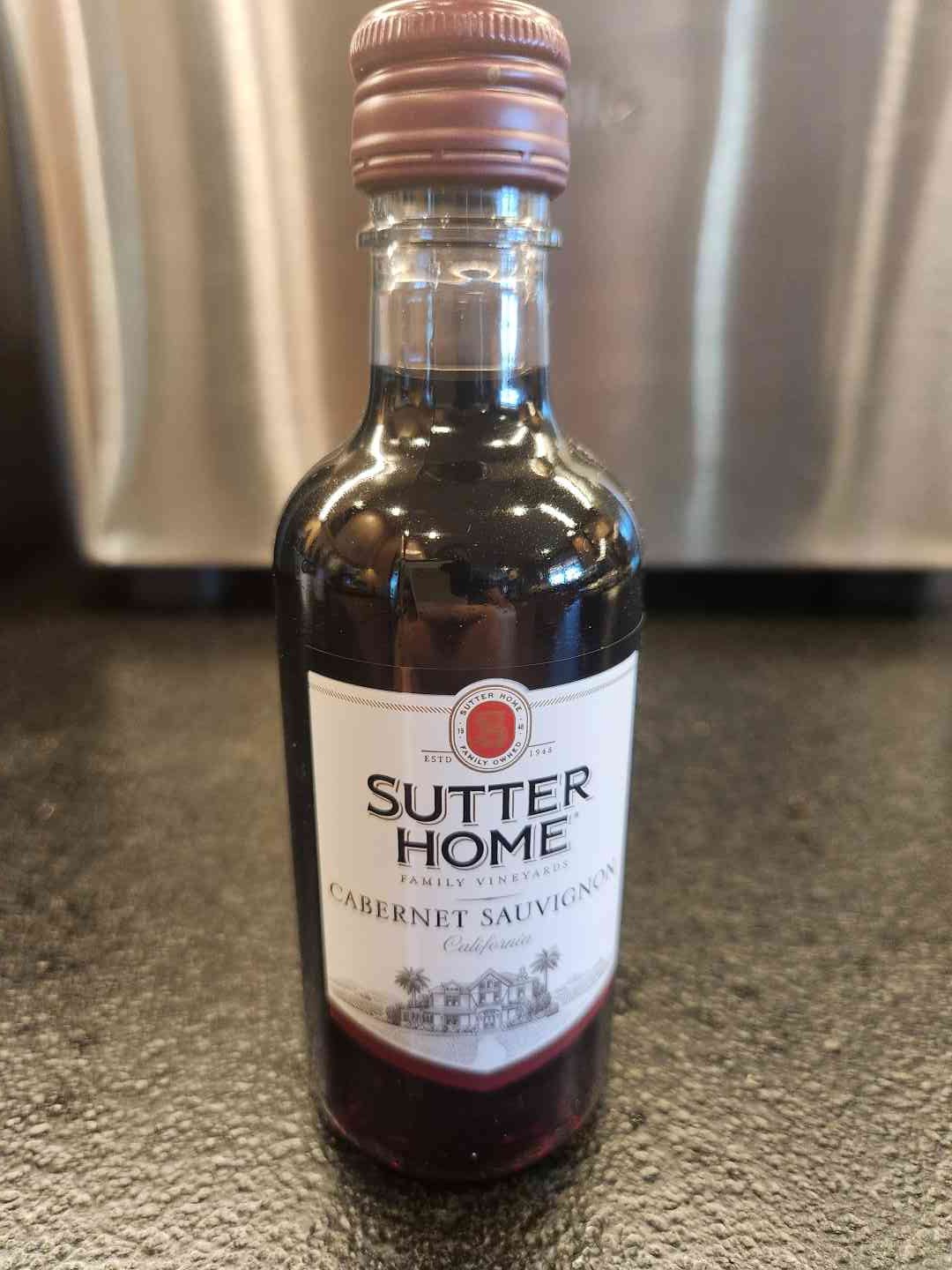
Adds depth to sauces, stews and marinades, and its acidity balances rich flavors.
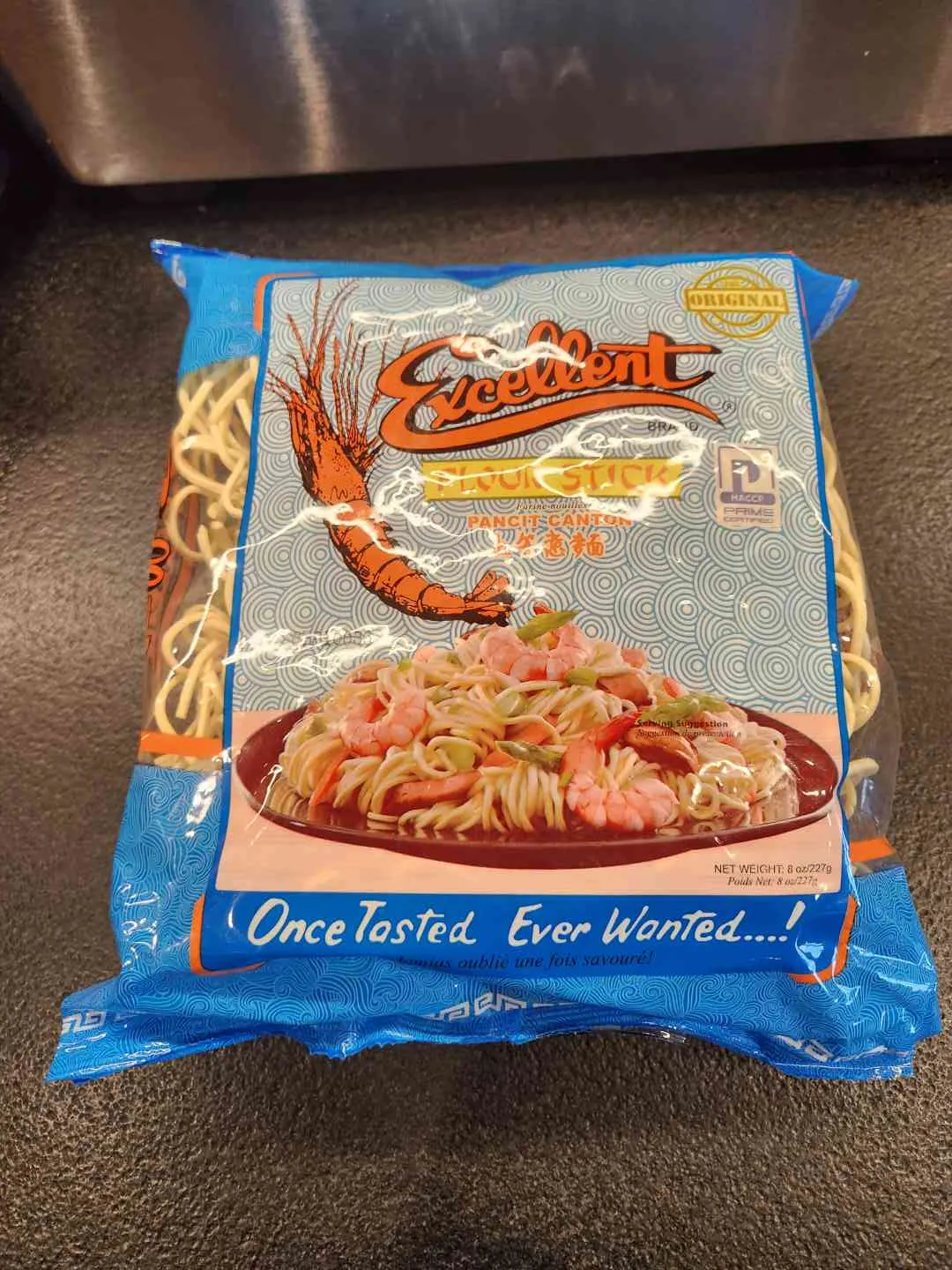
Canton Pancit Noodles are a versatile ingredient that can be used in a variety of dishes, from stir-fries to soups, like pancit. They cook quickly and absorb flavors well, making them perfect for busy weeknight meals. They do have sodium becasue they are egg noodles, so we normally mix them with glass or rice noodles.
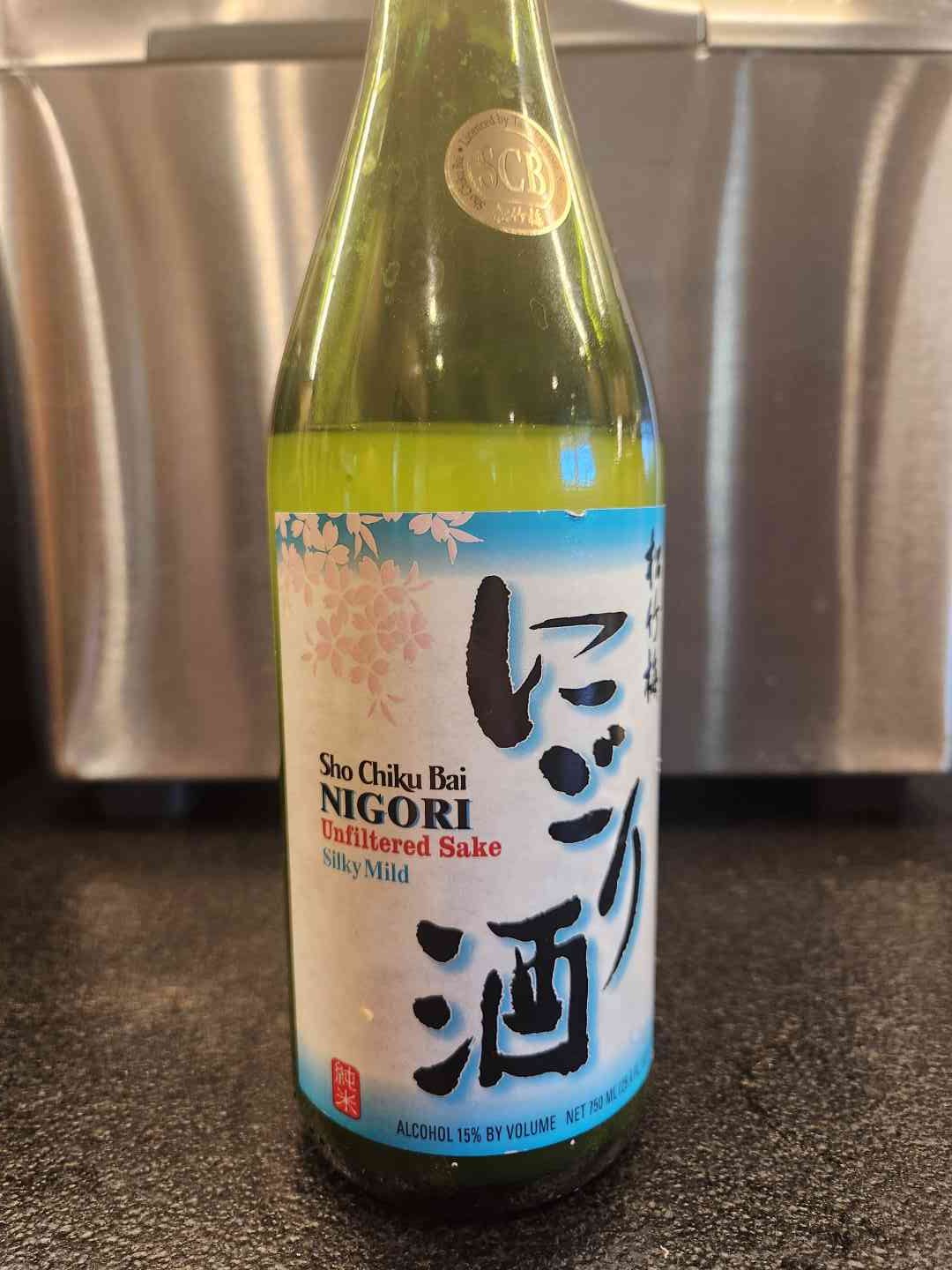
Japanese rice wine that adds depth to sauces, dressings and marinades.
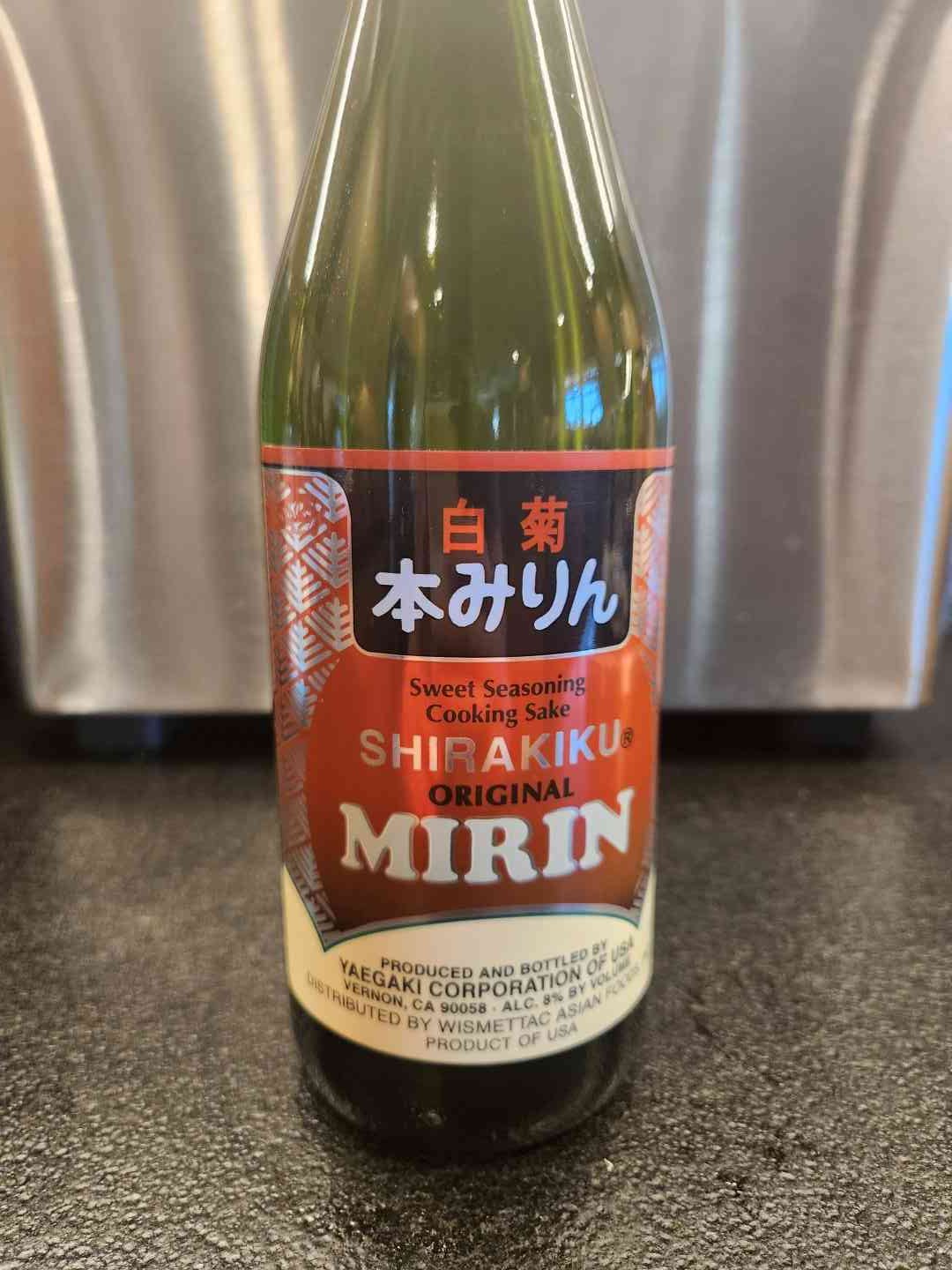
A sweet rice wine that's essential in Japanese cooking. It adds depth and gentle sweetness to teriyaki and glazes.
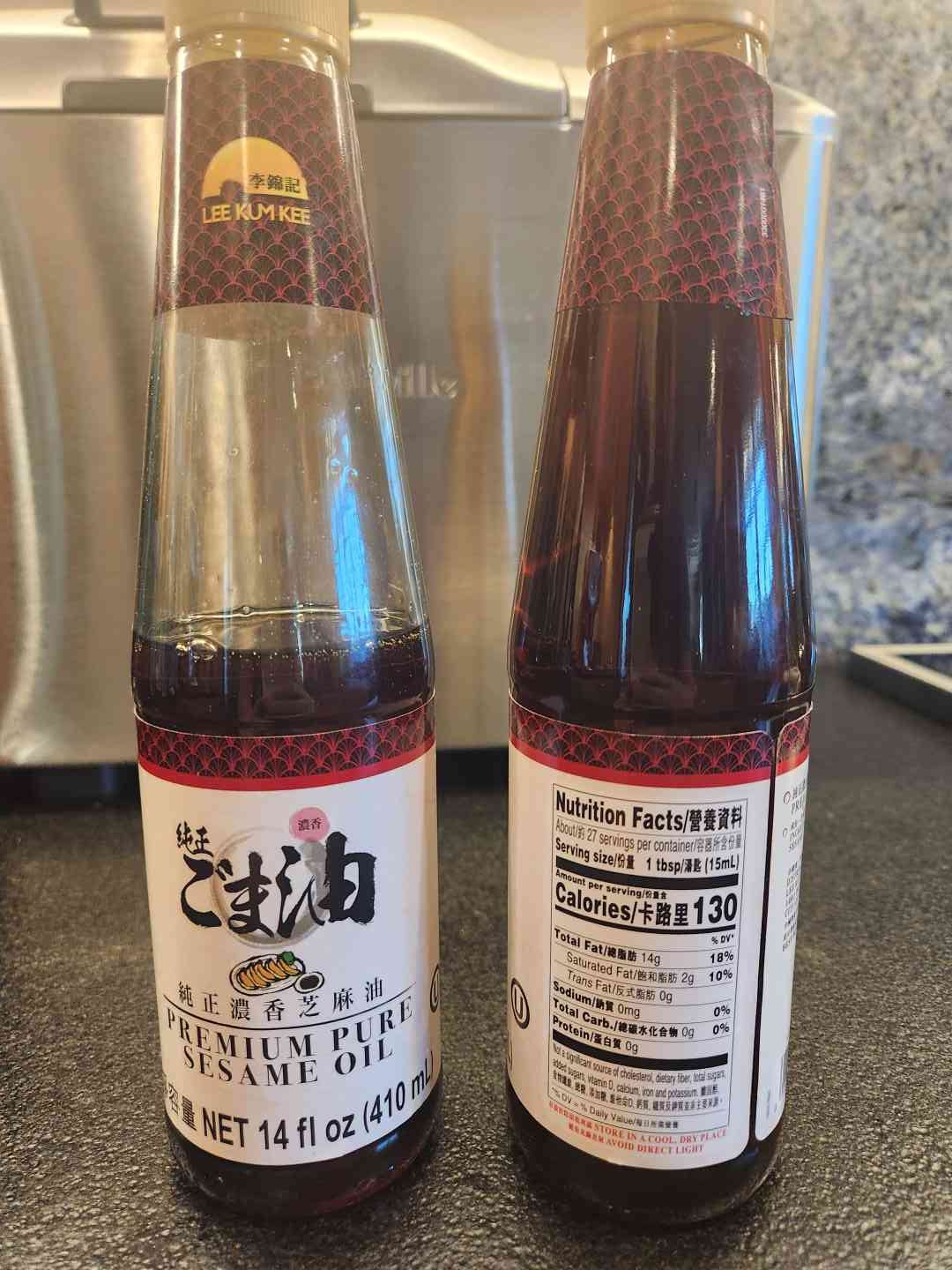
A few drops add a rich, nutty flavor to stir-fries, dressings and marinades. A little goes a long way.
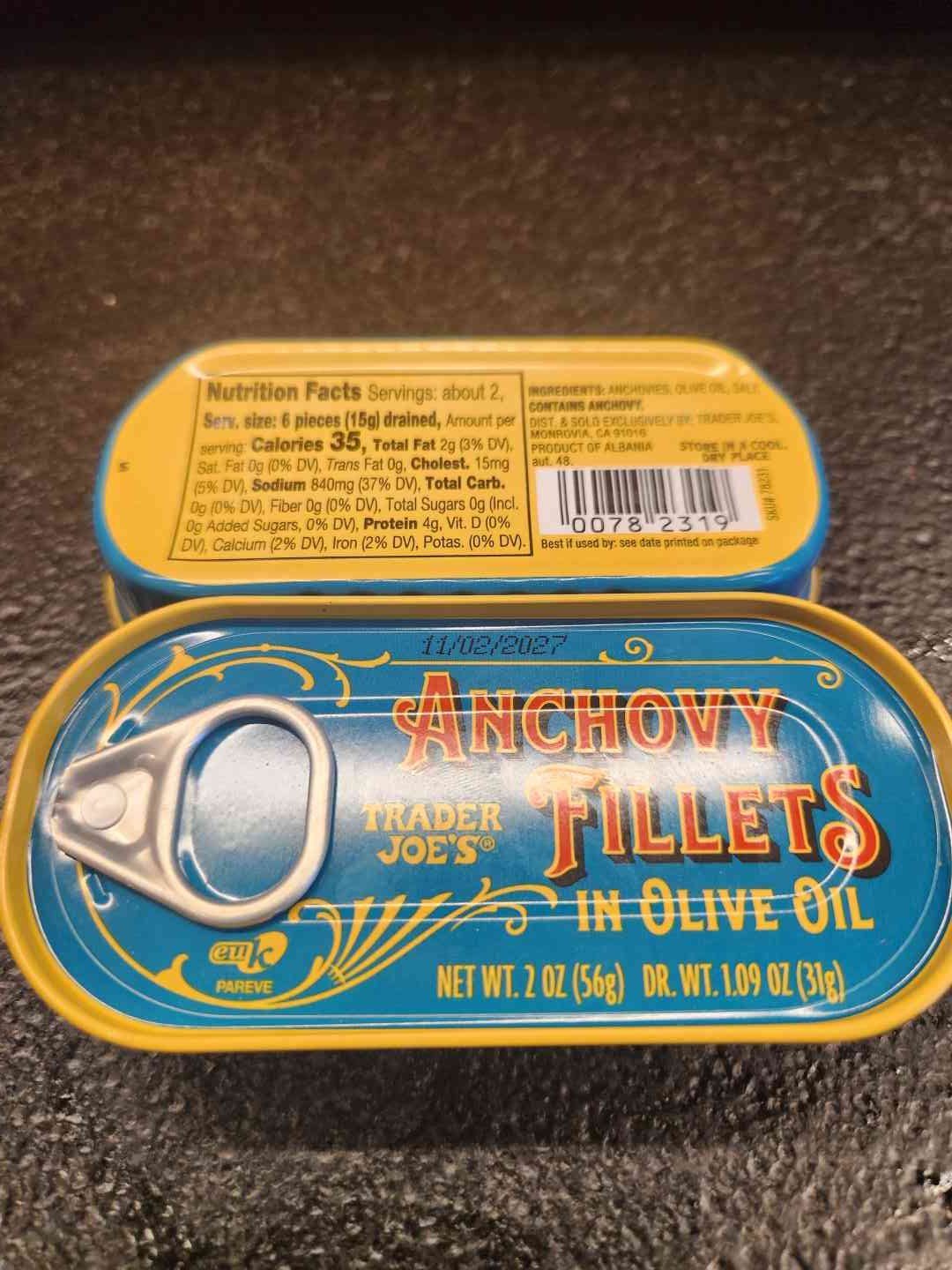
Not low sodium, but a little packs a lot of umami. We use them in moderation to give salad dressings that restaurant flavor.
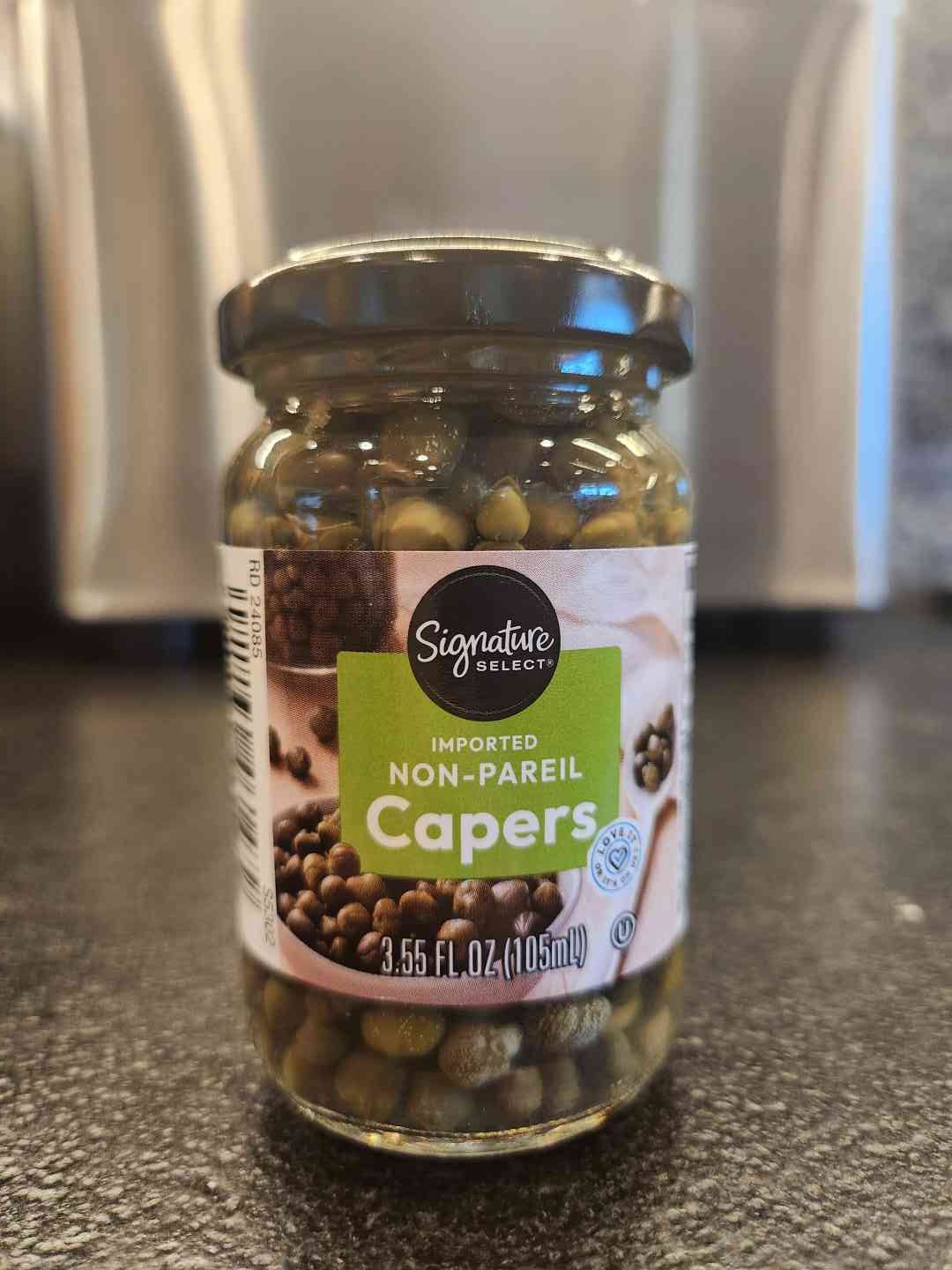
Briny little flower buds for pasta, salads and sauces. Not low sodium, so we use just a few to bring restaurant flavor.
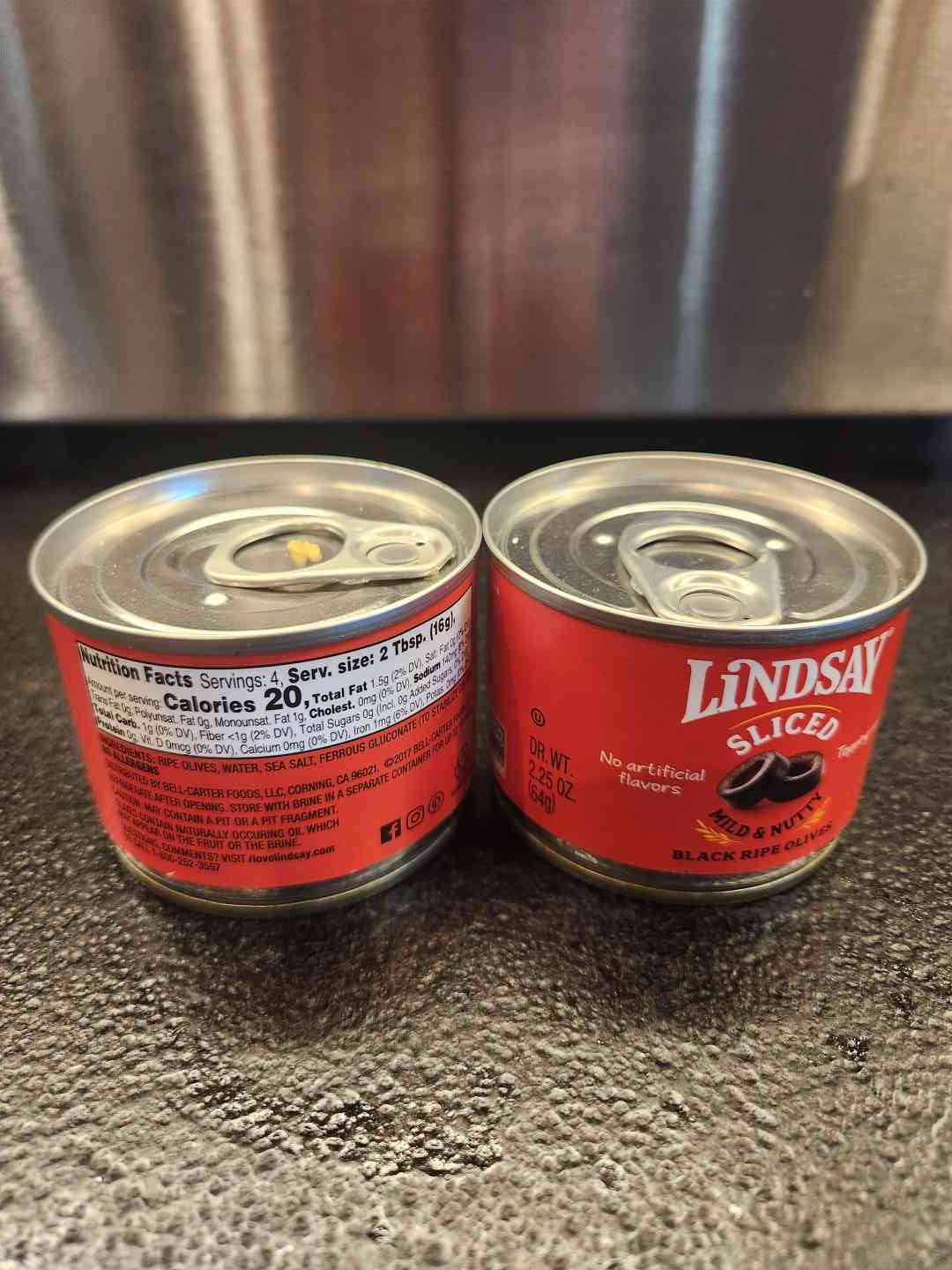
Rich and briny on salads, pizza and in tapenade. Not low sodium, but a few add a salty bite in moderation.
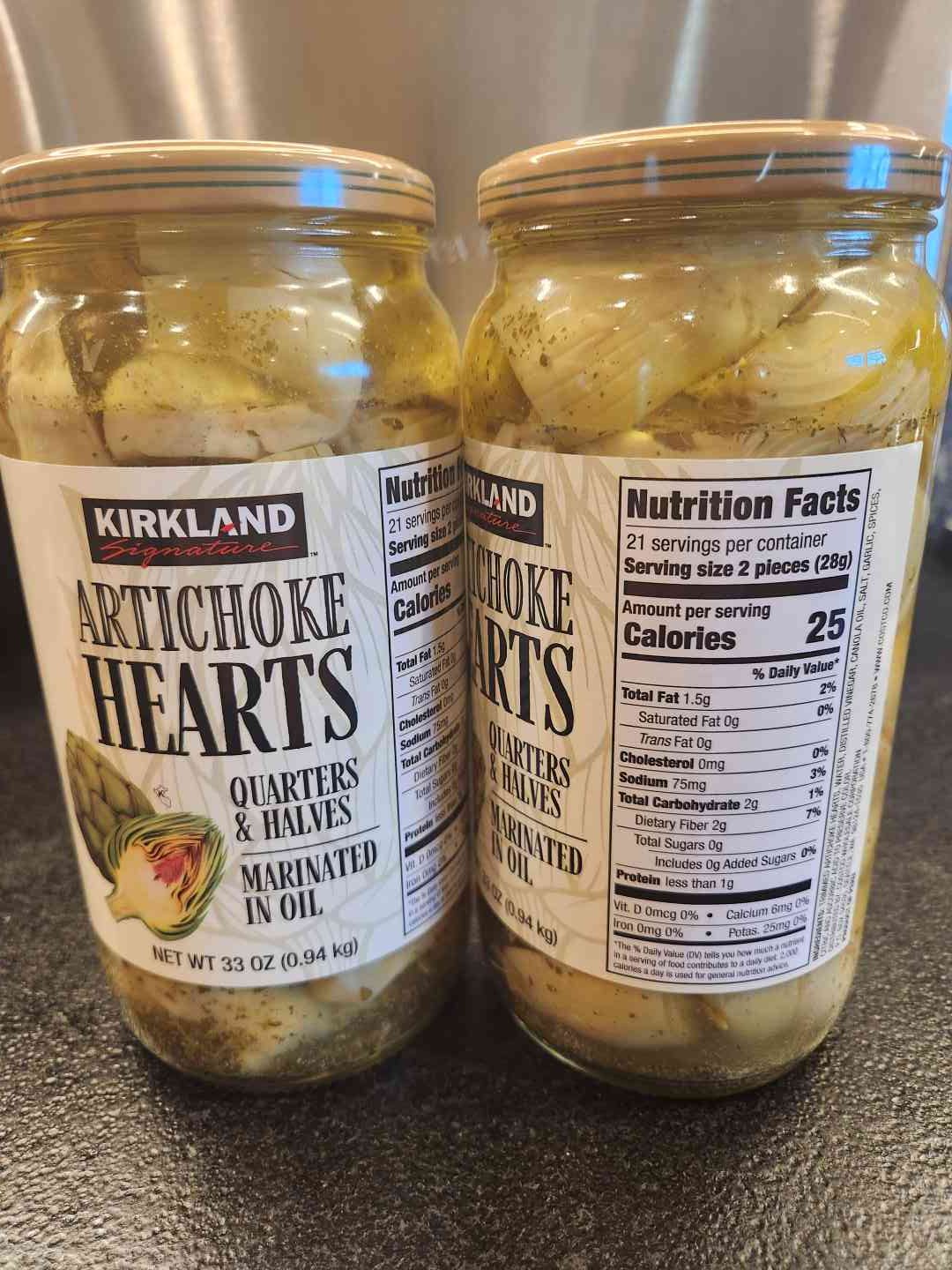
Tangy and savory in salads, pastas and antipasto. Not low sodium, but in moderation they make a dish pop.
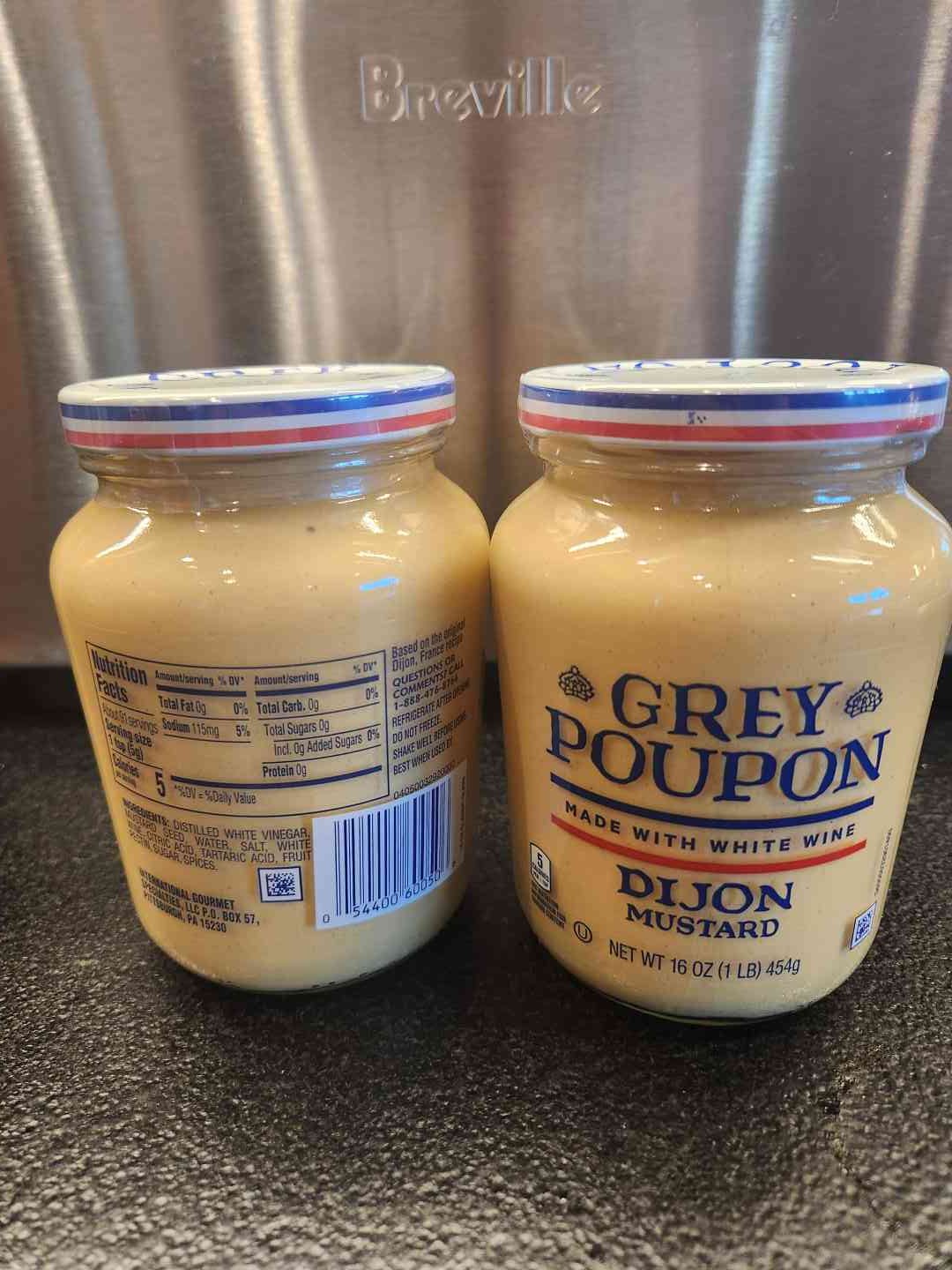
Packs a ton of flavor, and a little goes a long way. Not low sodium, so we measure it carefully.
The tools that make cooking from scratch quick enough for a weeknight. We are not sponsored by these brands; these are the appliances we use and have used for years.
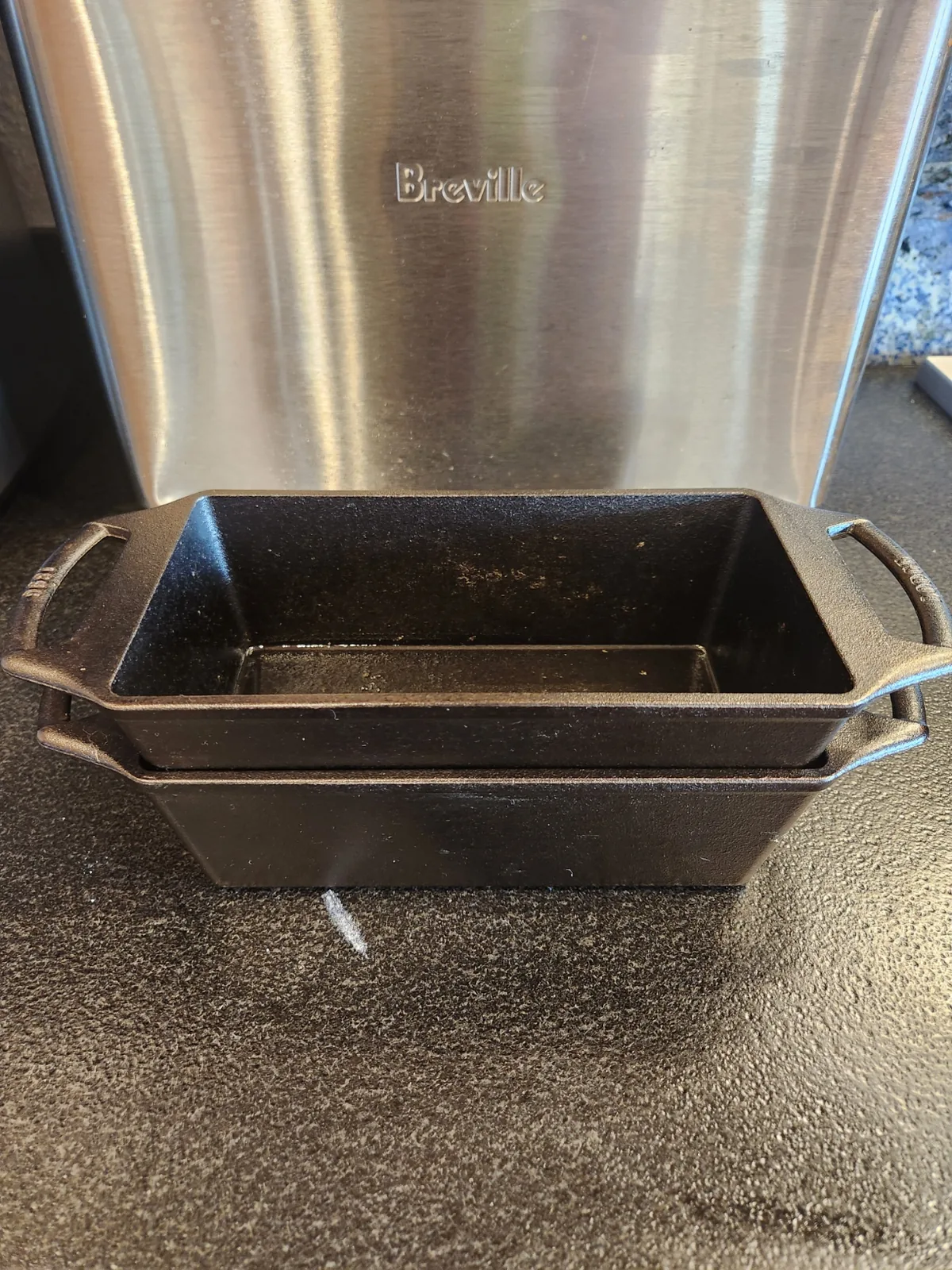
Bread pans re used to make, well, bread! We like cast iron pans becasue they give a little crunch on the edges for breads on the sweeter side like banana bread or zucchini bread.
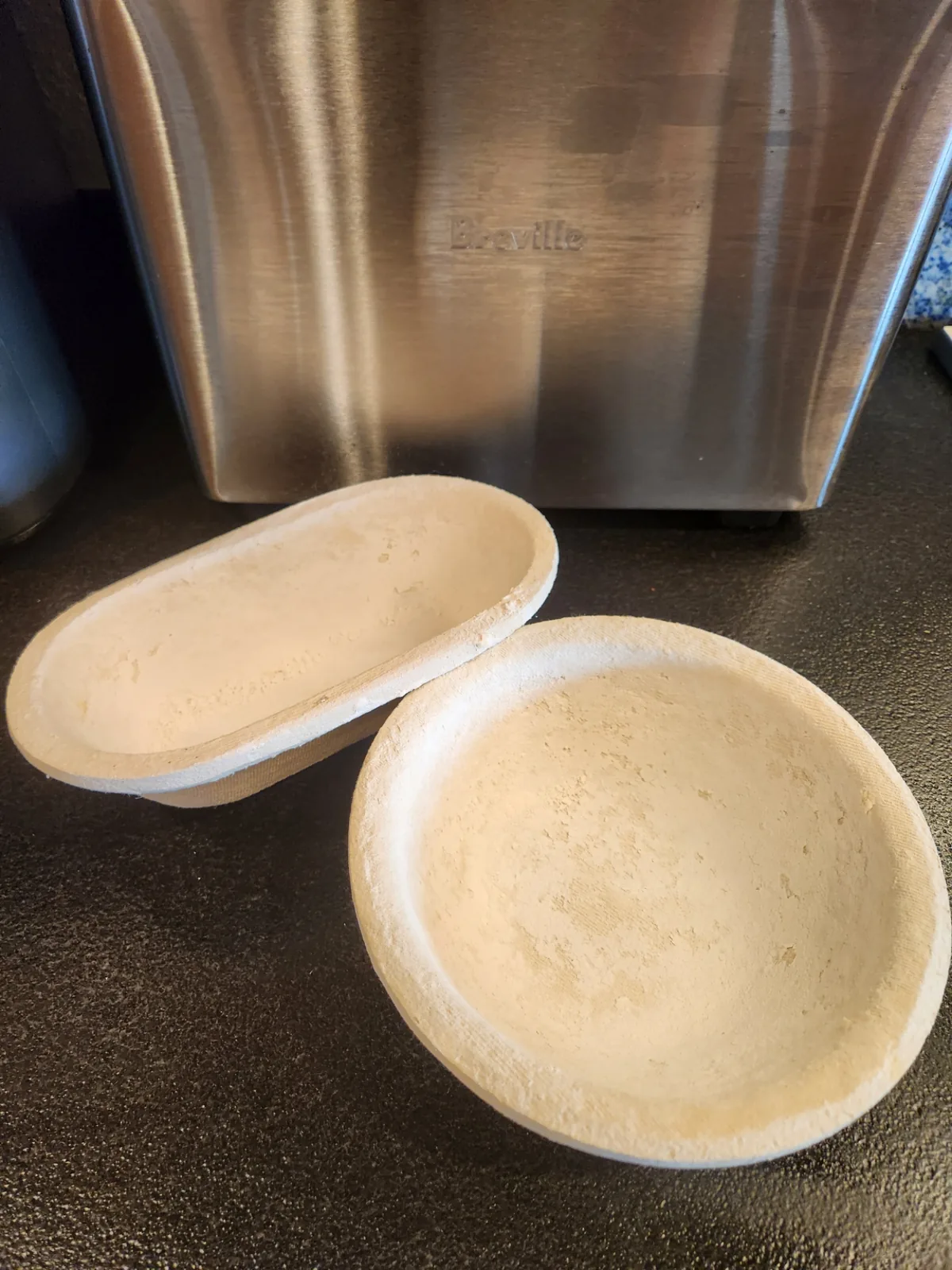
These are used to proof artisan bread like french bread or sourdough. Keep them floured and they last a lifetime.
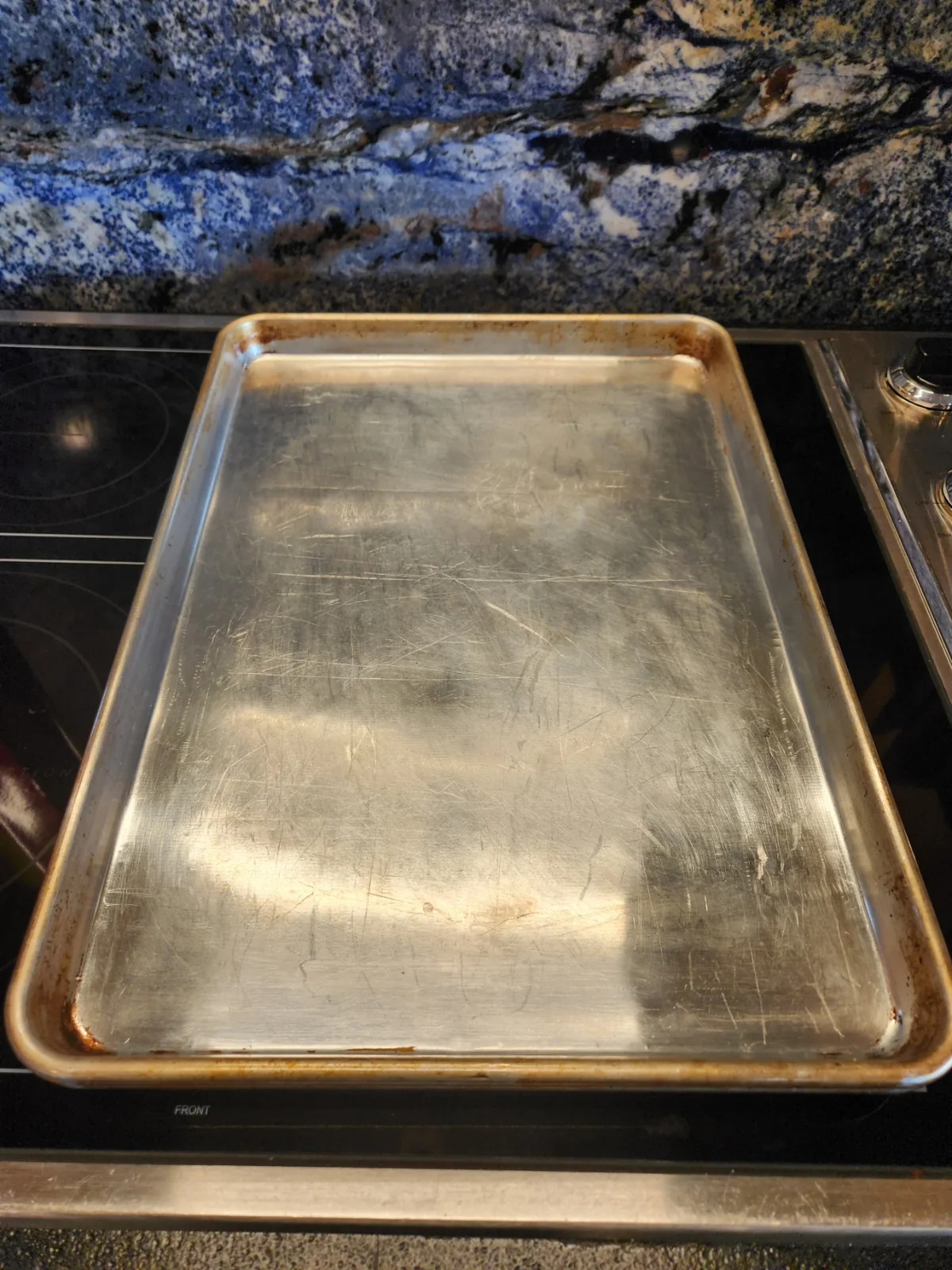
Baking sheet are a workhorse. We have never had good success with non-stick and the non-stick erodes overtime. Good, durable, metal baking sheets are the way to go. Preheat sheets in the oven to ensure a good crunch.
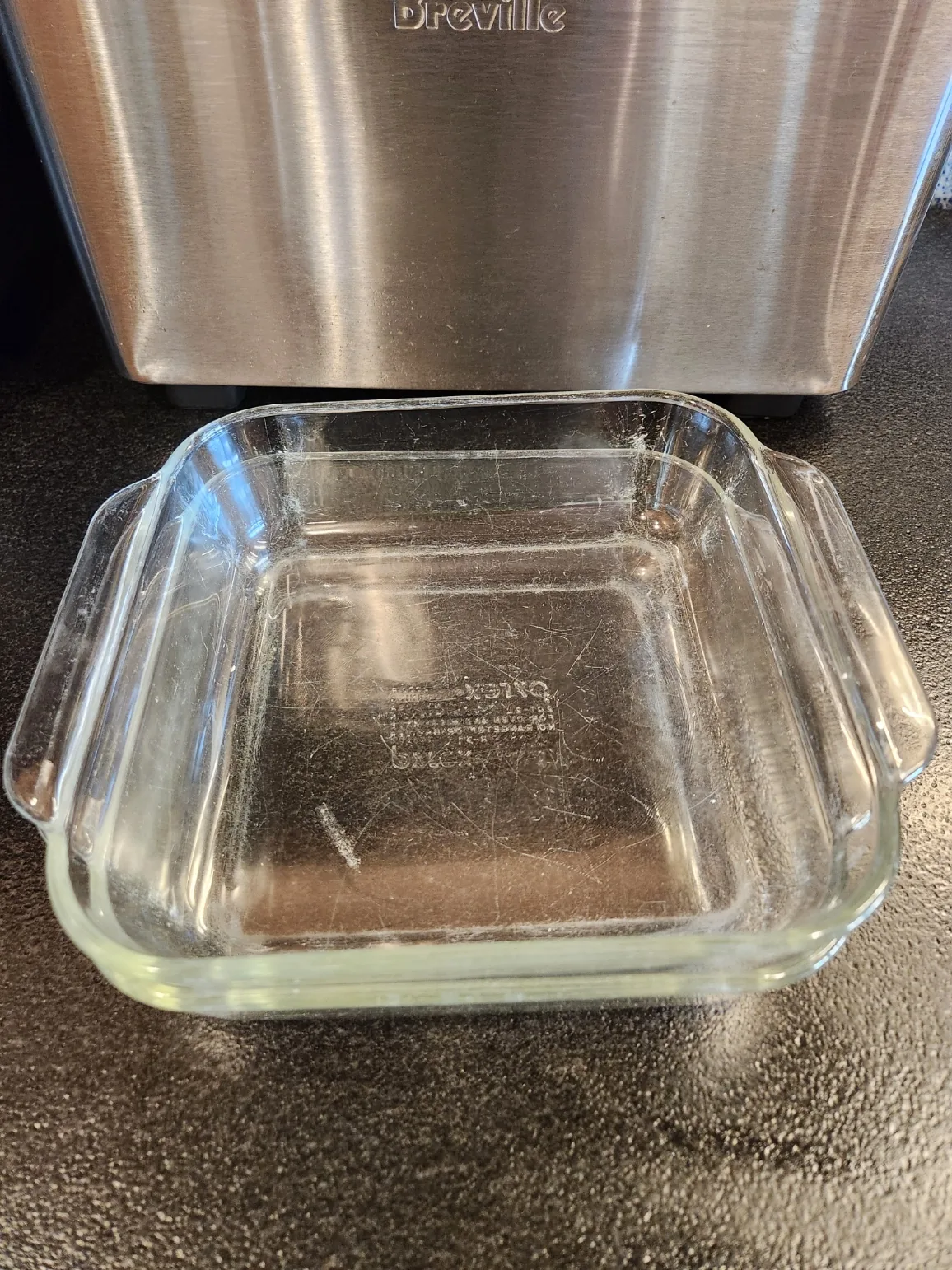
We use 9x9 pans to cook most casseroles. 13x9 casserole dishes are usually too large for us as we want to have just enough servings for dinner and lunch the next day. If you have a large family, feel free to add 50% more to our 9x9 recipes to make a 13x9 dish recipe.
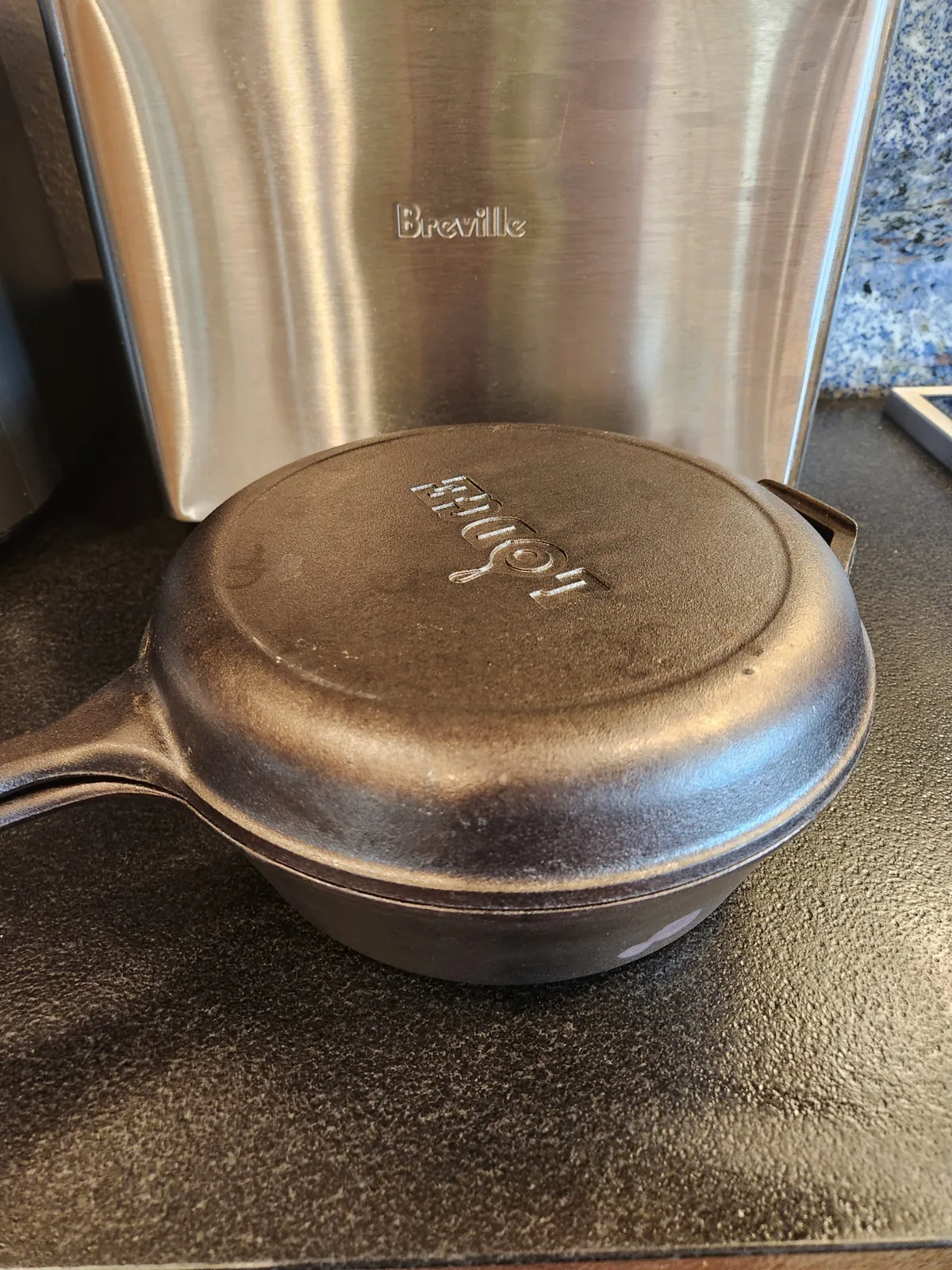
We use a dutch oven to bake artisan french bread. It lasts practivcally forever and can also be used on fire when camping. We just use it for bread.
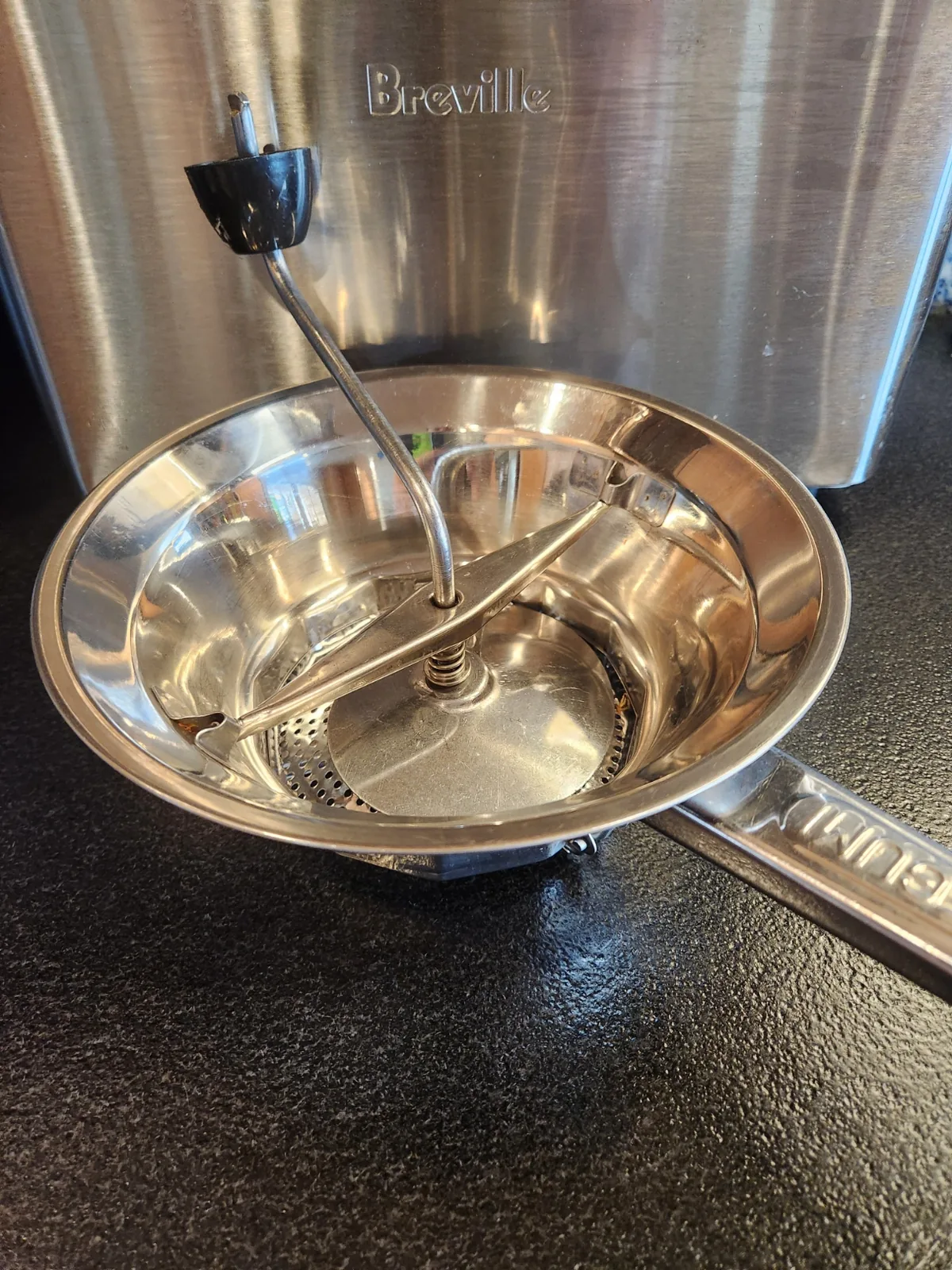
We use the food mill solely for making tomato sauce. It squeeezes the juice and pulp while not allowing seeds and skins through. You dont NEED this equipment. You could make tomato sauce by putting it in a blender. This is just an extra step for even higher quality.
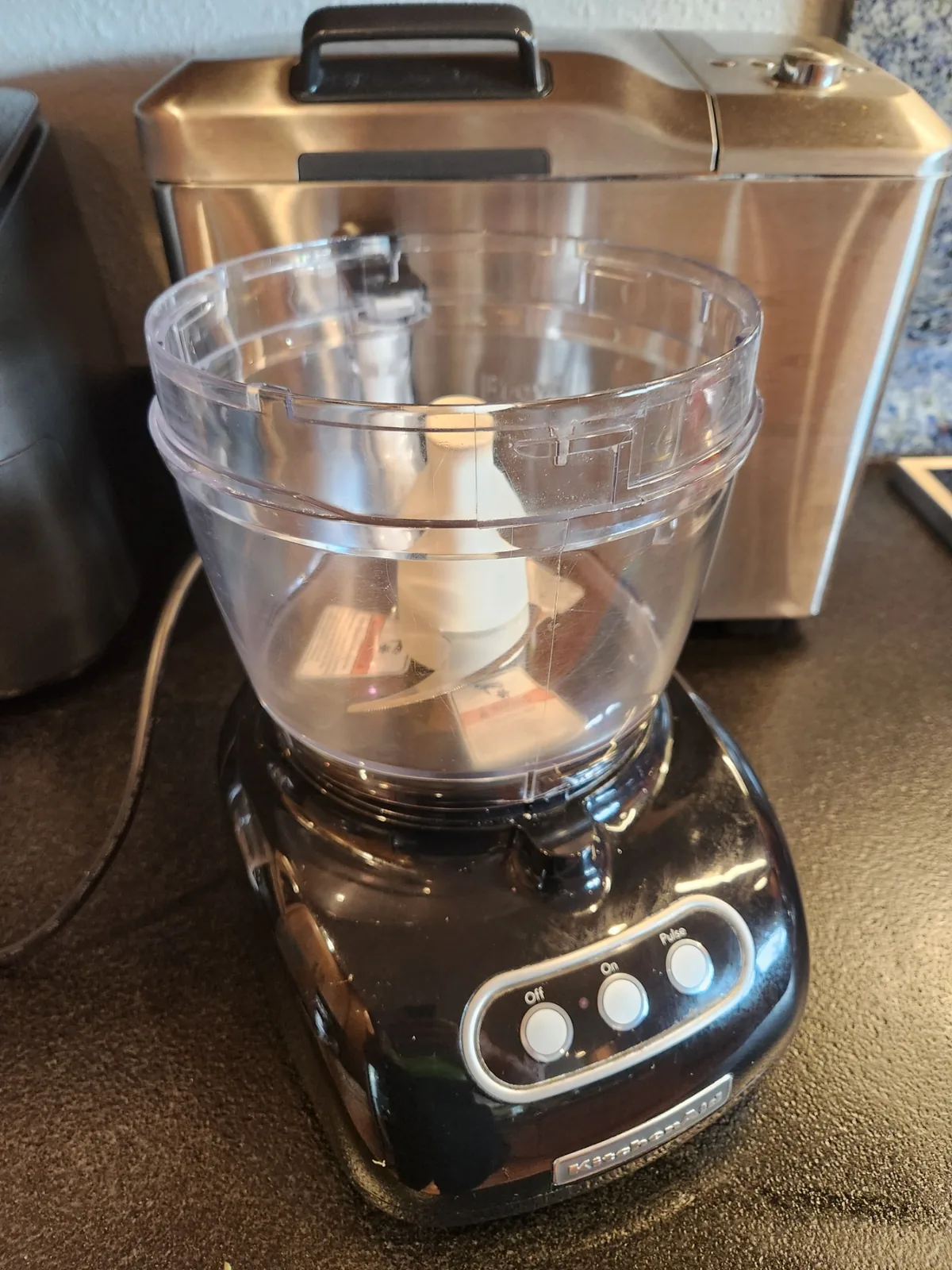
We use a large food processor to make pie dough and hummus. It's pretty versatile if you have it, but you could get by without it by cutting and by having a mini food processor going in batches.
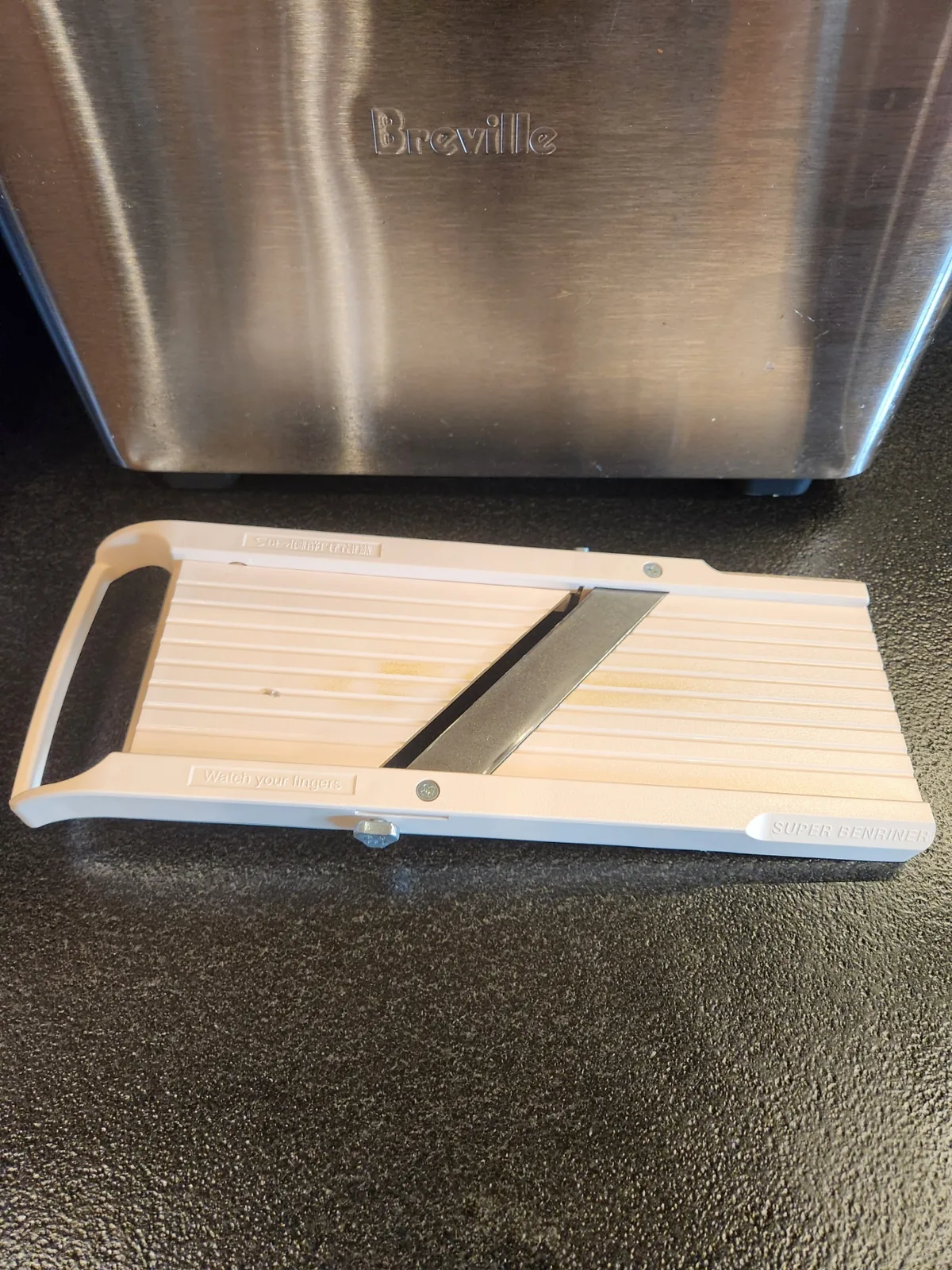
A mandolin is used for making uniform slices. It makes julienning easier and slices vegetables in rounds.
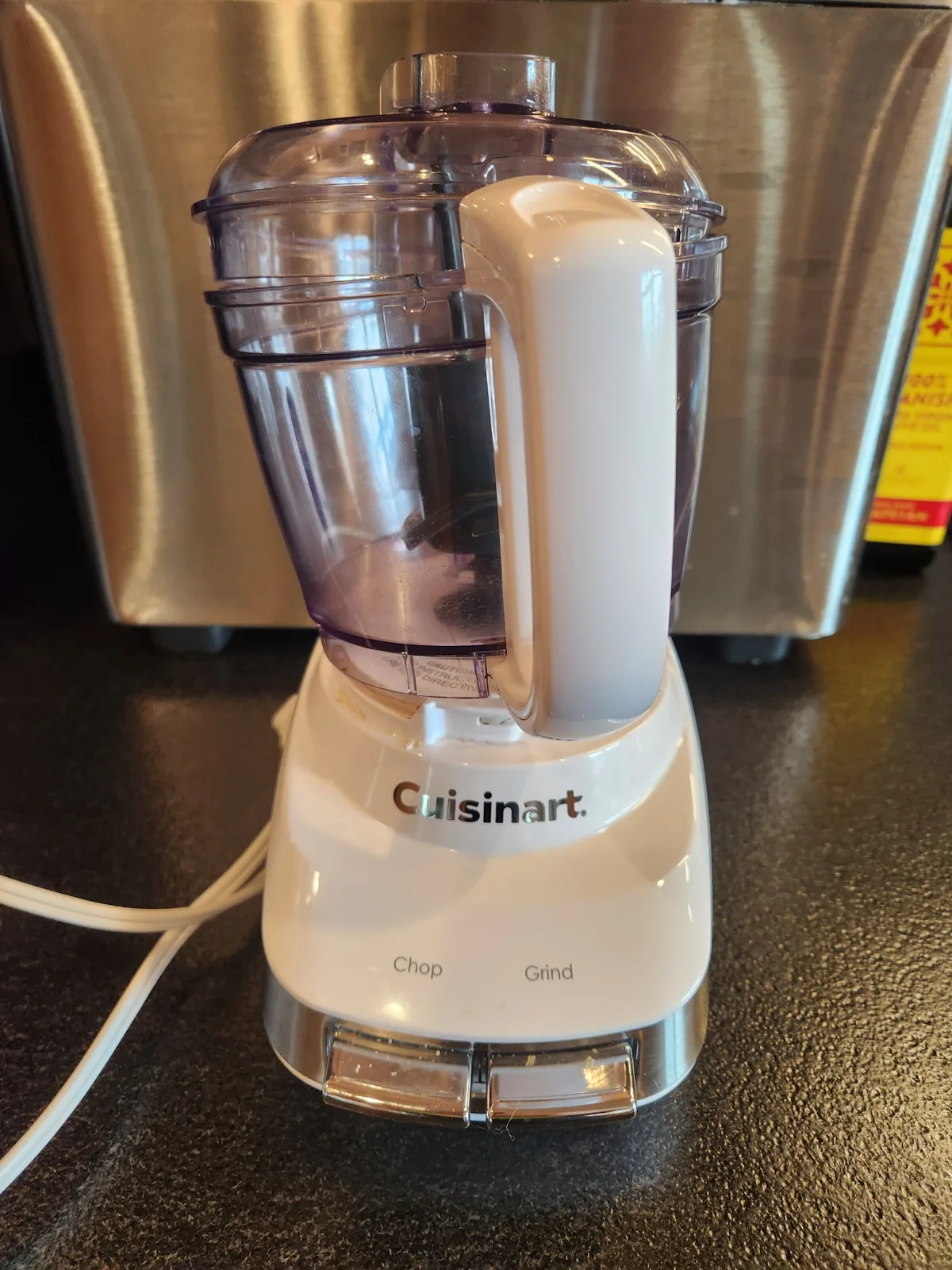
This is the best for making sauces and dressings. We use this much more than the large food processor. We make salad dressings every weekend and it is a workhorse.
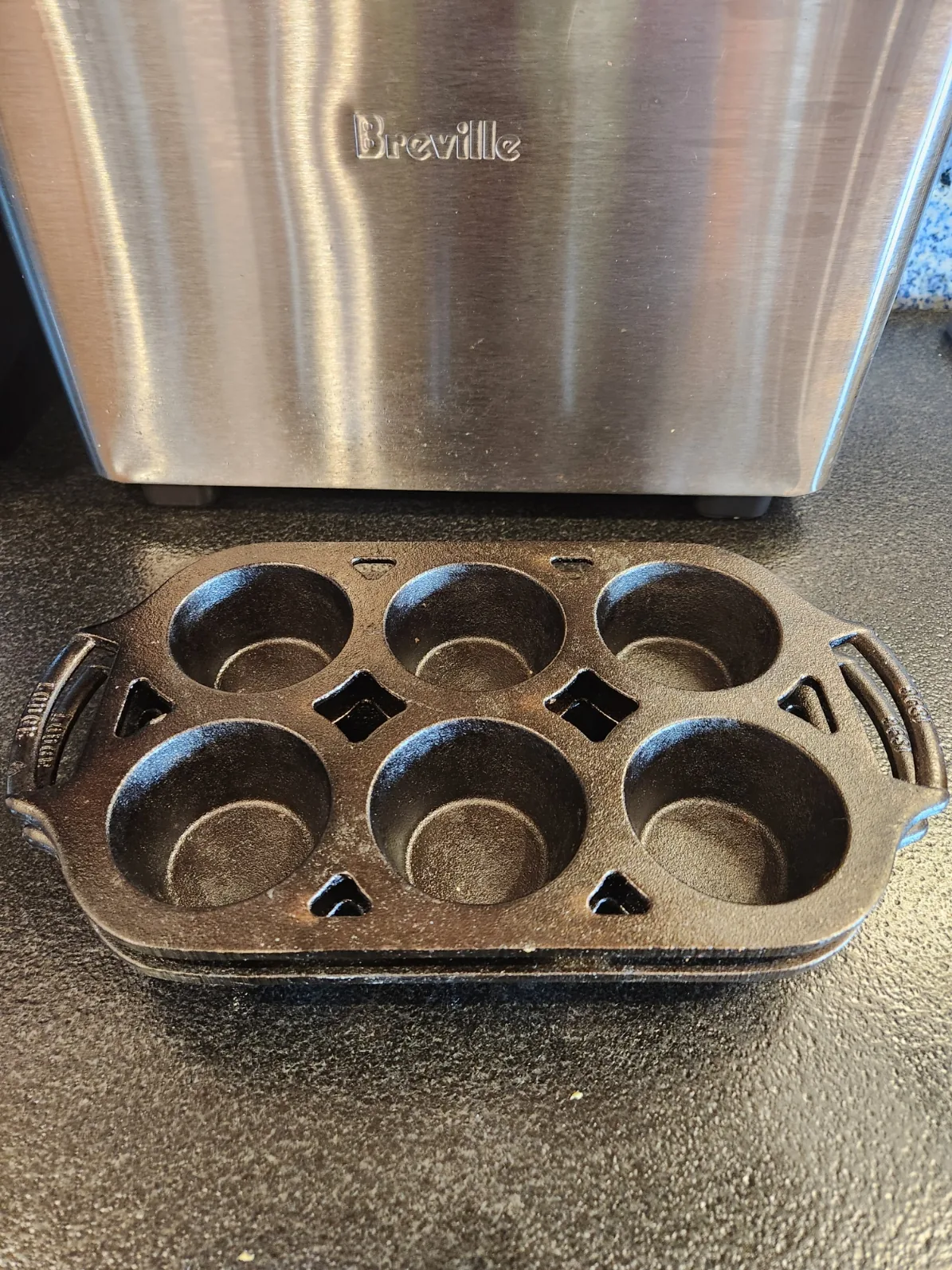
Muffin tins are needed to make muffins. We use cast iron muffin tins for the option of a crisp exterior. If you want a soft exterior, like for cupakes, just use cupcake liners. Cast iron also lasts a lifetime.
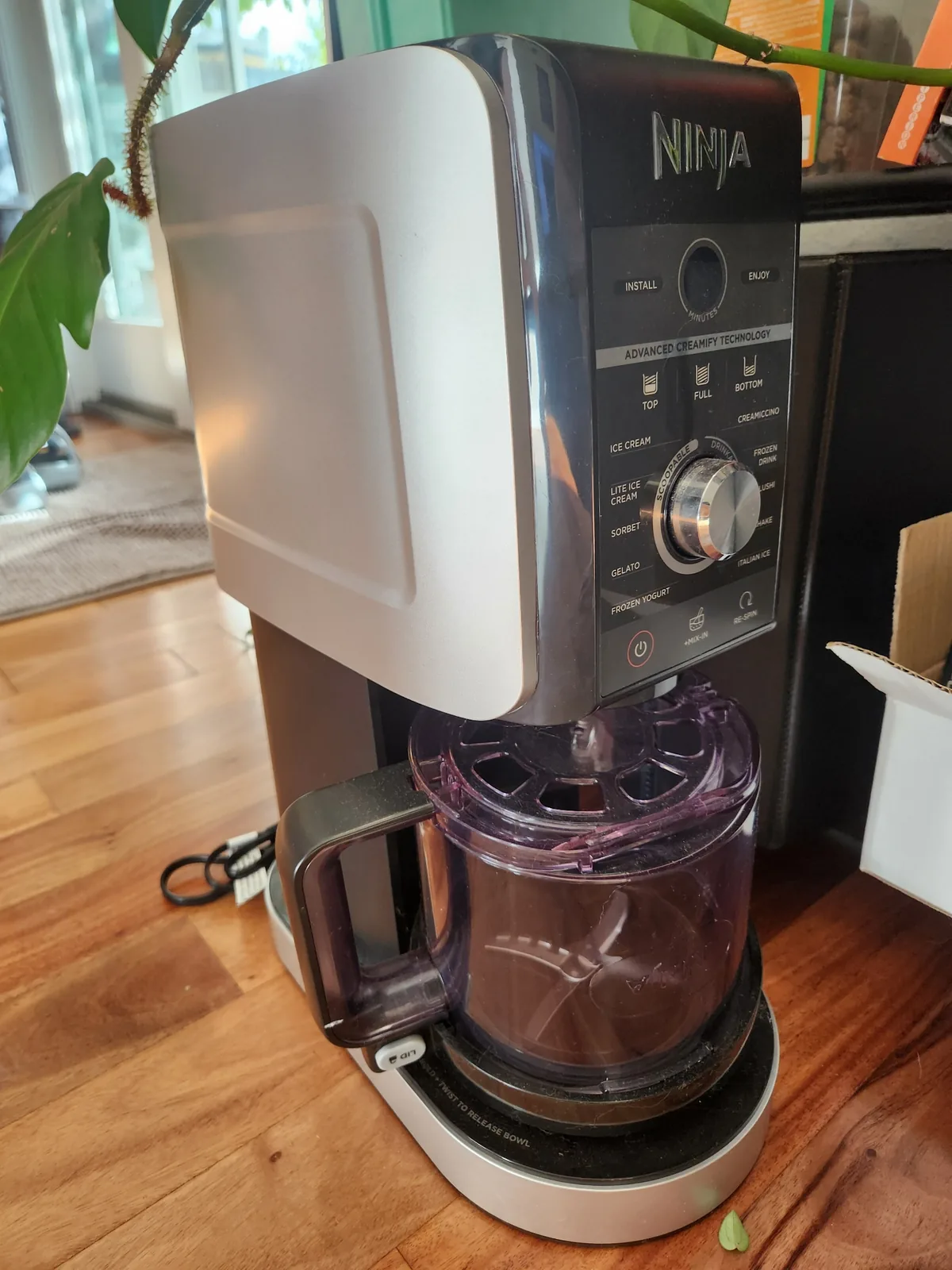
We use the ninja creami to make easy homemade icecream. Freeze a container and then whip it in the machine the next dayfor the icecream. It's easy and perfect and a much healthier way to eat frozen treats when you can control the ingredients.
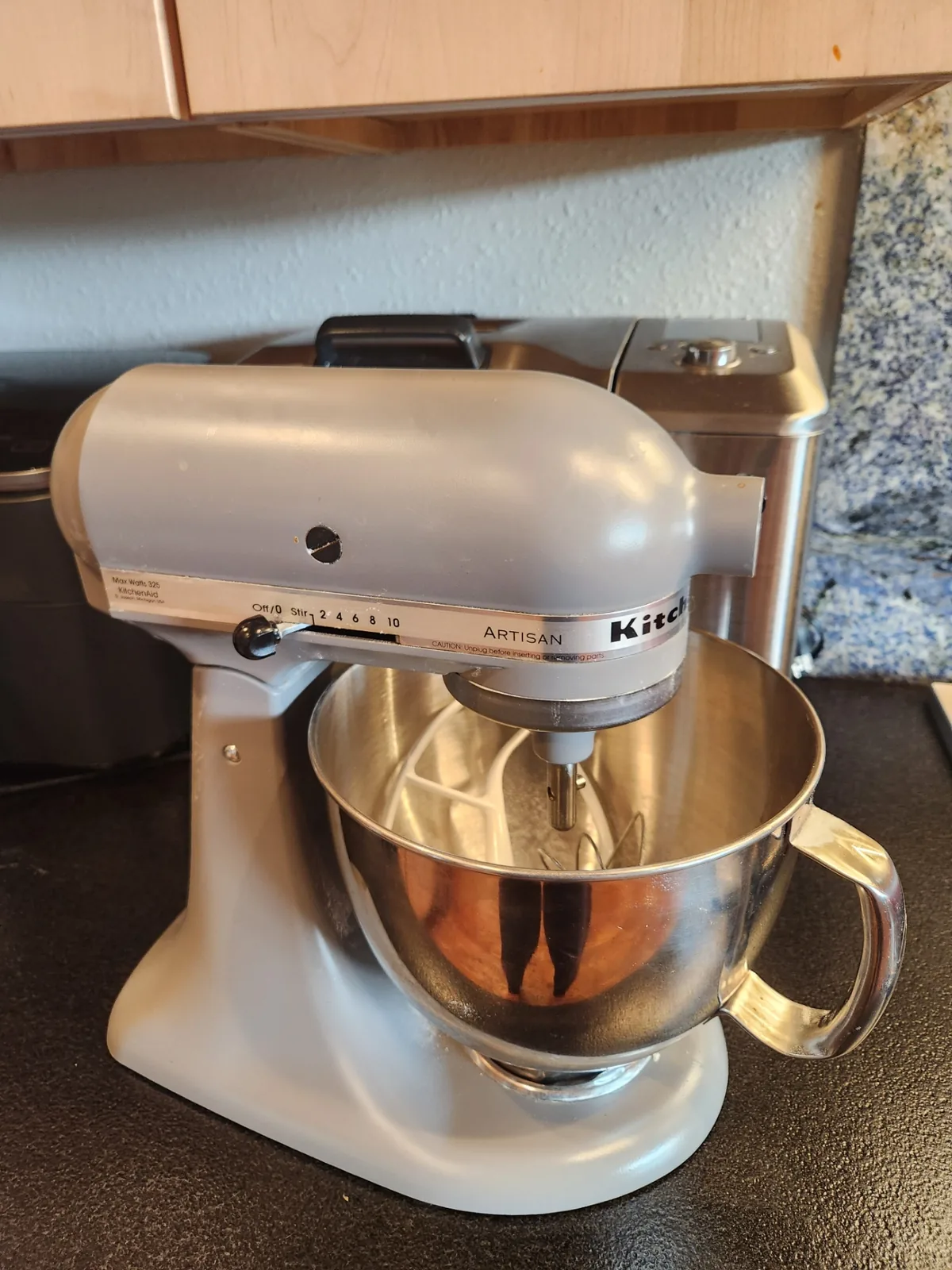
We actually don't use the stand mixer itself very often becasue we dont bake sweets that much. We do use the stand mixer attachments frequently. We grate cheese, grind meat, spiralize and make homemade pasta all with attachments. This is very much an optional piece of equipment, but certainly a nice to have.
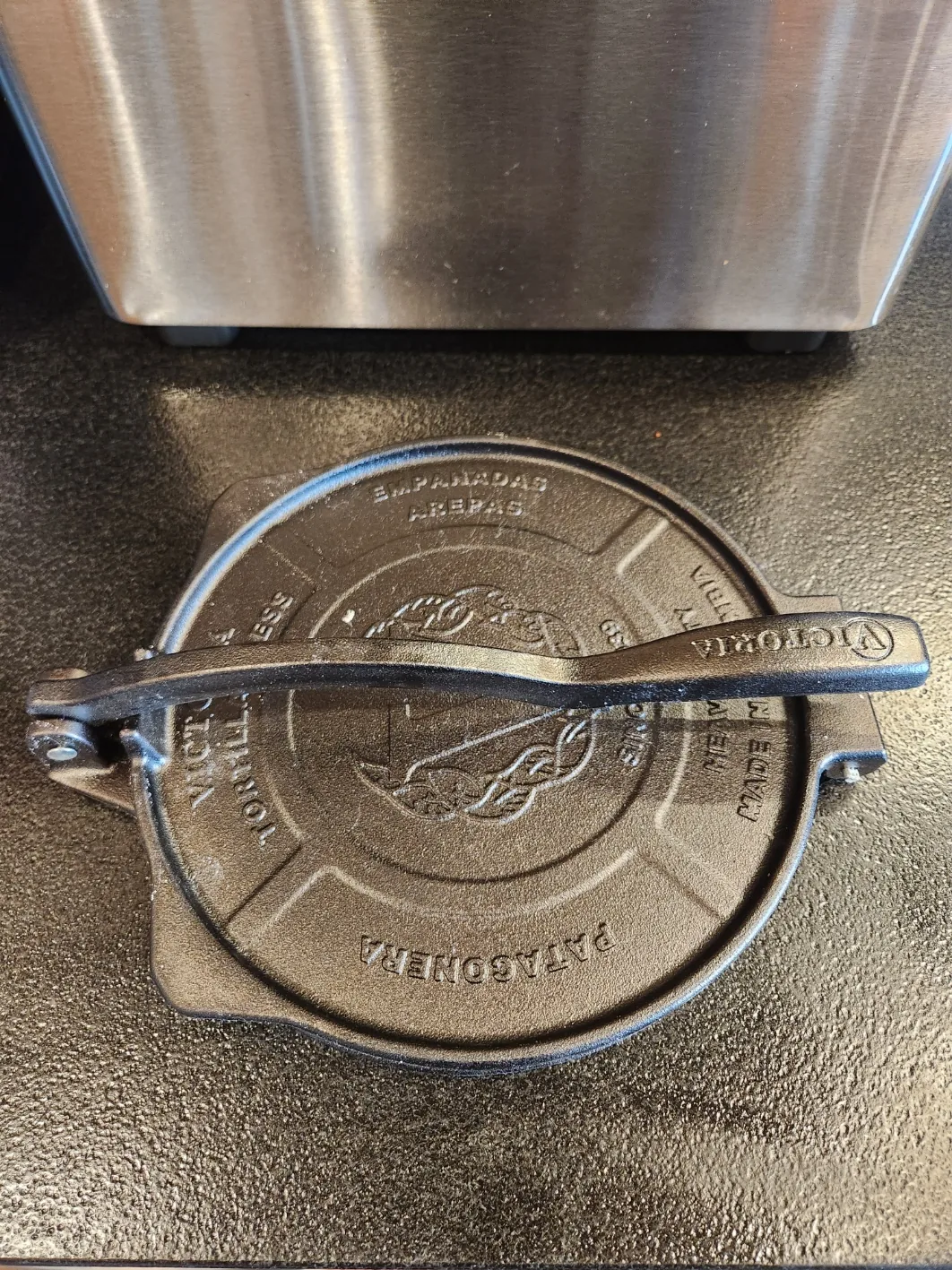
Essential for making corn tortillas at home. We make corn tortillas when we do not want to go to the store and buy them. Completely optional, becasue you can buy corn tortillas.
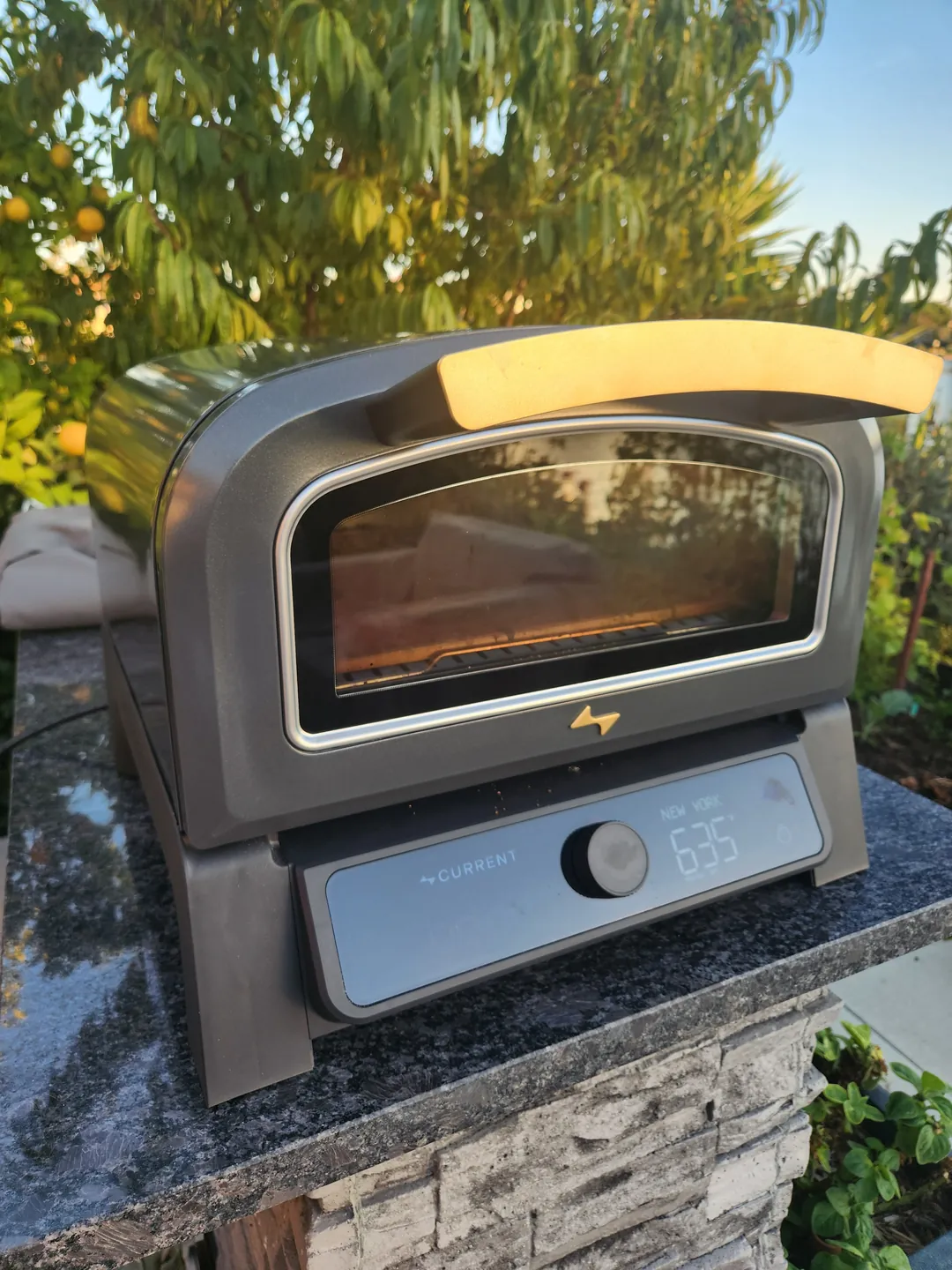
Pizza ovens get far hotter than a standard oven, up to 850 degrees F. This makes the cook time faster, but also makes some outstanding crusts. This is a totally optional appliance and we have cooked many good pizzas a standard oven. We will share soon those recipes if they are not already posted on the website. This current pizza oven is all electric.
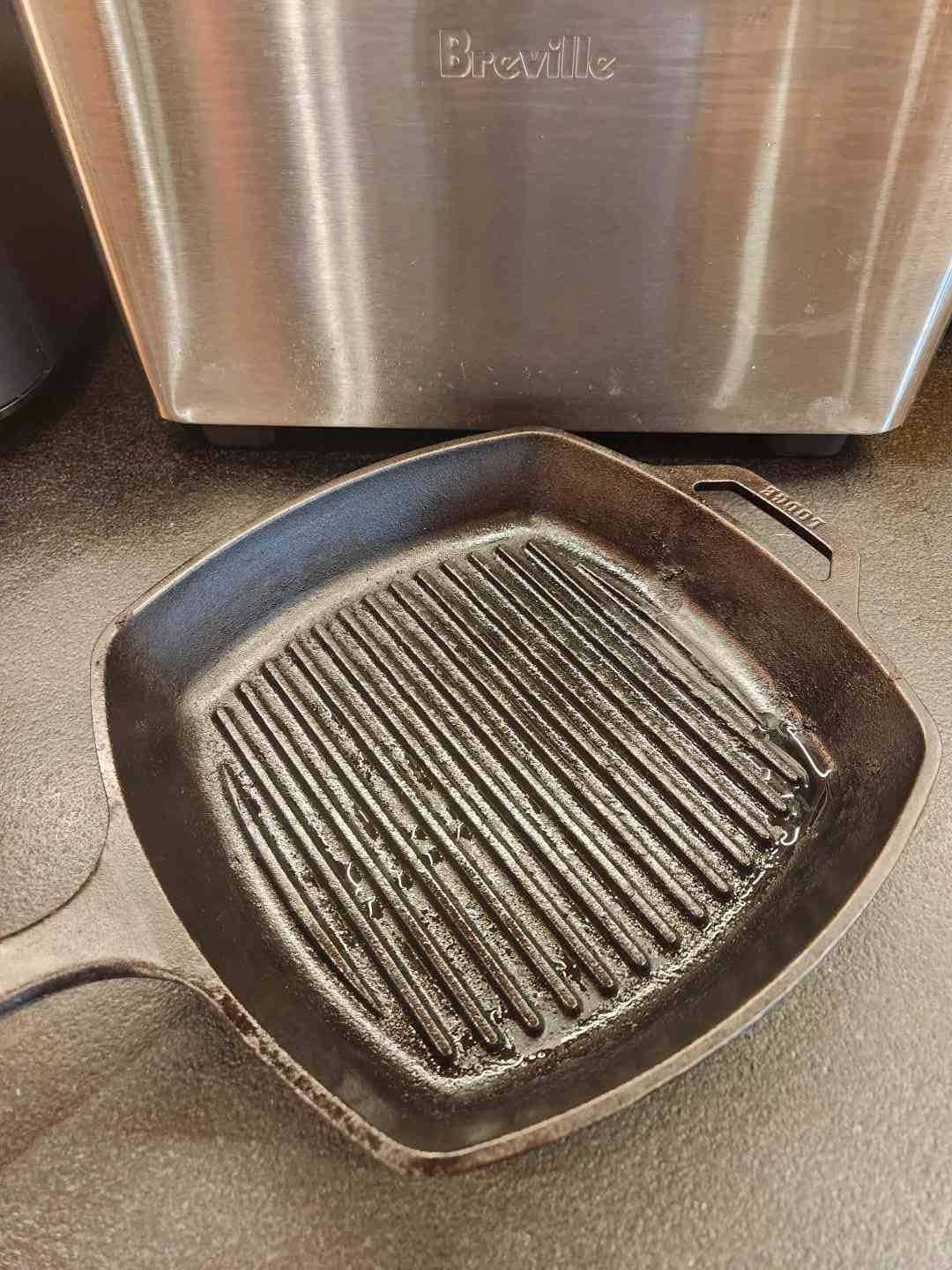
Who doesn't love grilled food? We do have an outdoor grill which we use, but sometimes, my Dad is lazy and doesn't want to fire up the grill, or it's raining outside. Grill pan saves the day. This pan can be a fickle to clean, but it's much easier with the cast iron cleaning tools on the lodge website like the grill pan scrapper and metal-ringed scrubber. Also lasts a lifetime.
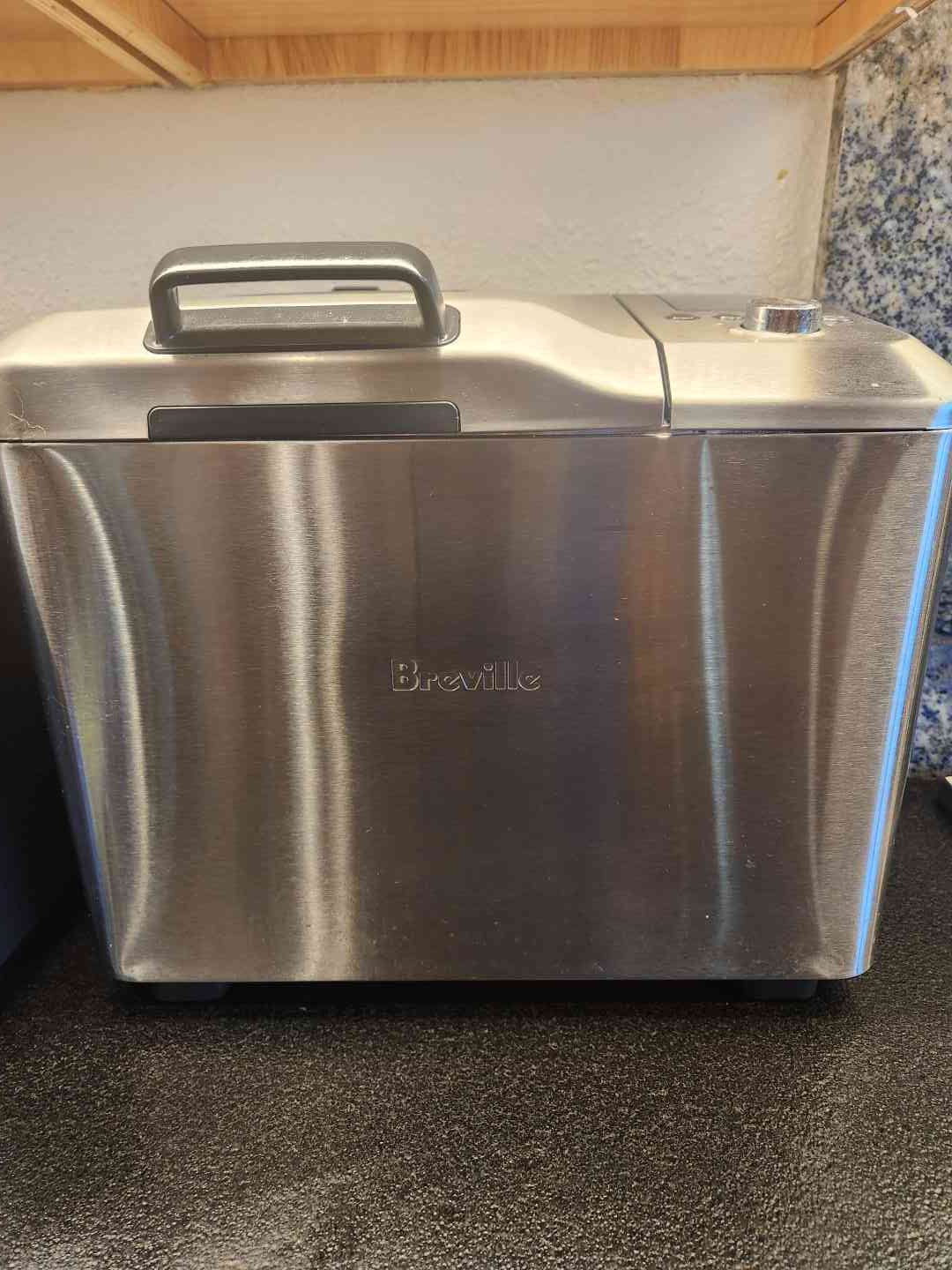
No more hidden sodium in store-bought bread. We load it the night before, set the delay timer for 4am, and wake up to fresh sandwich bread. It makes great doughs too.
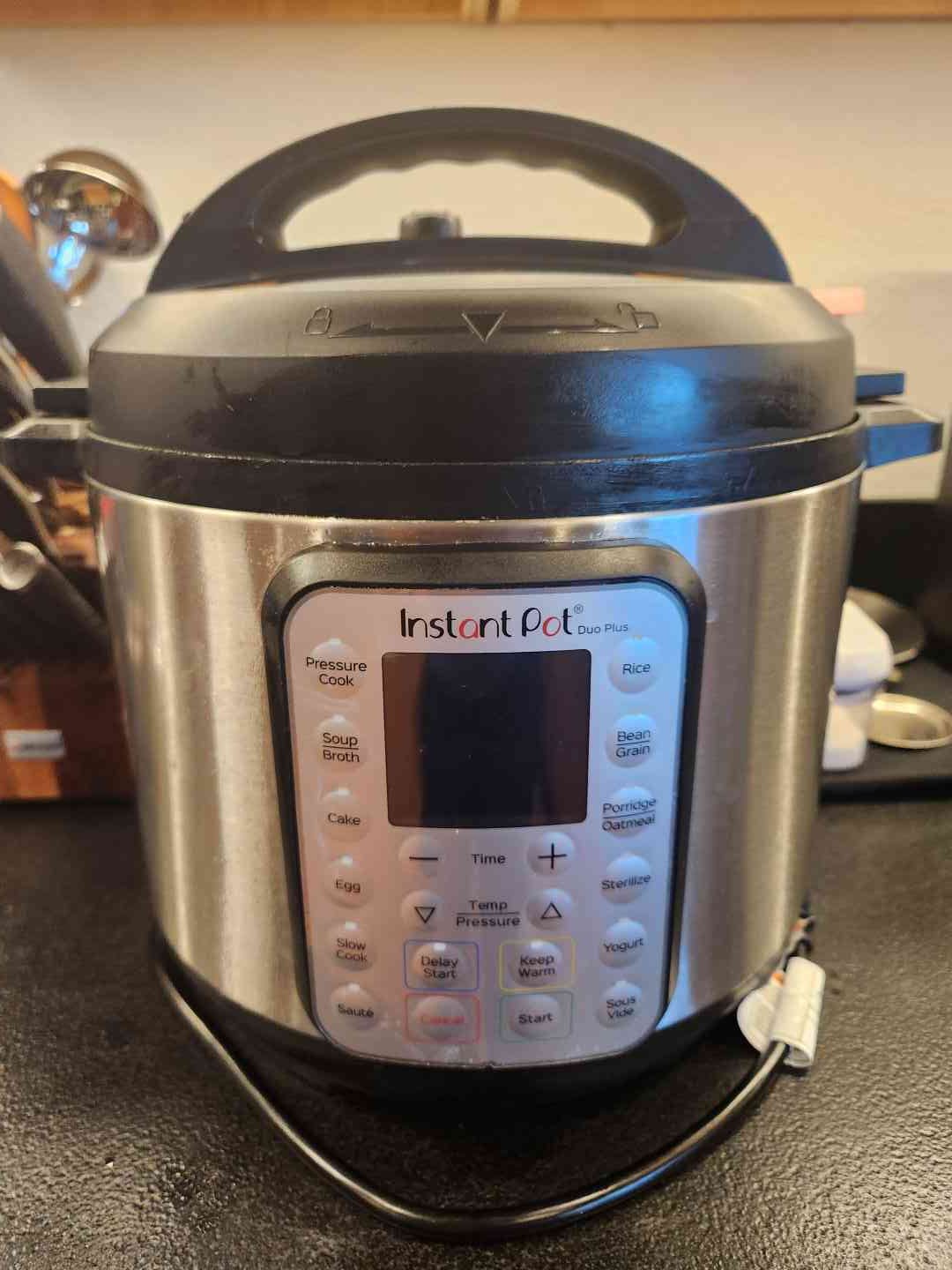
Homemade stock and dried beans in about 40 minutes, instead of 8 hours of simmering or an overnight soak. No more canned broth or canned beans.
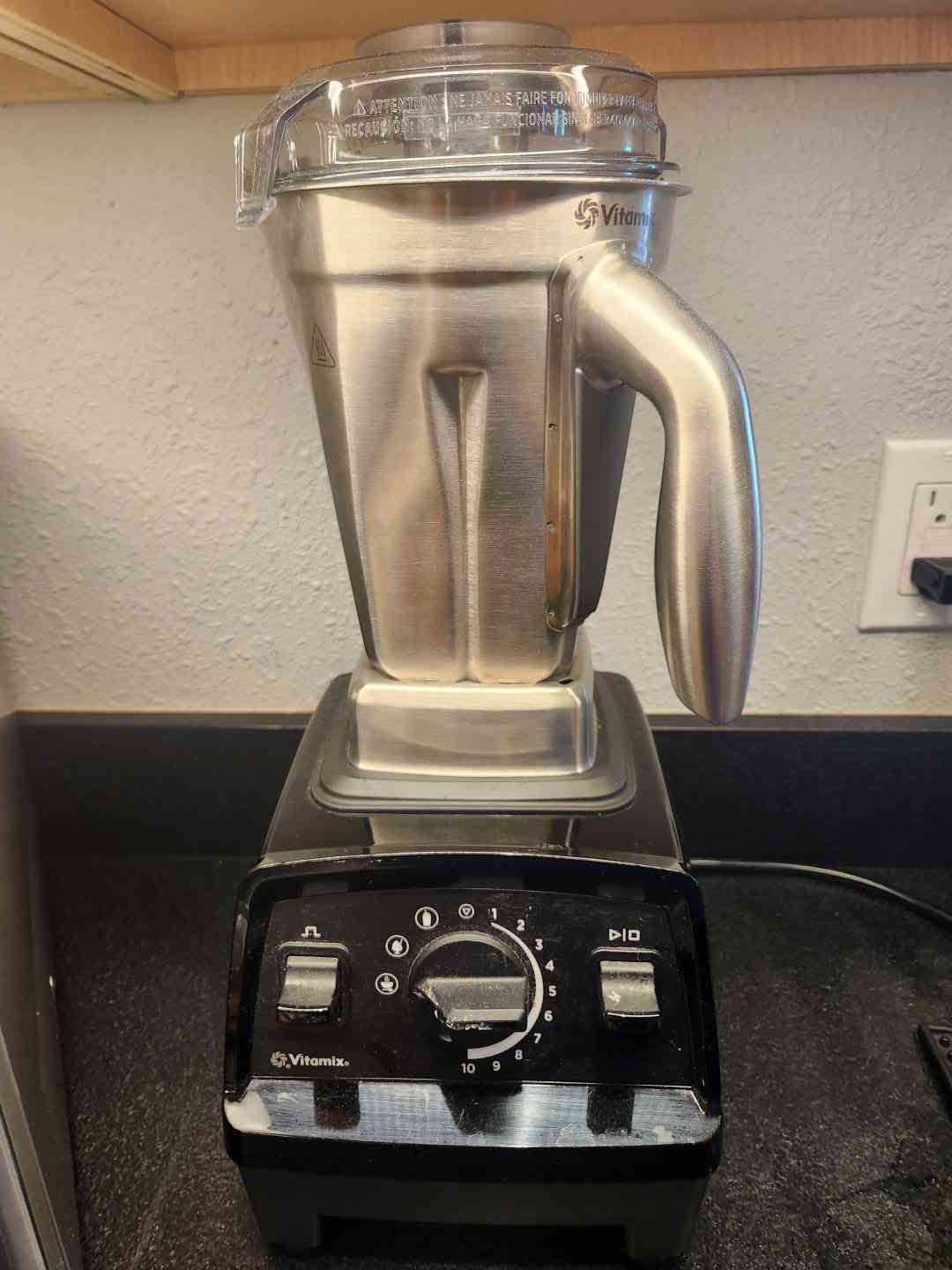
Smoothies, soups, sauces and dressings in minutes. Homemade sauces are one of our best tools for flavor without salt.
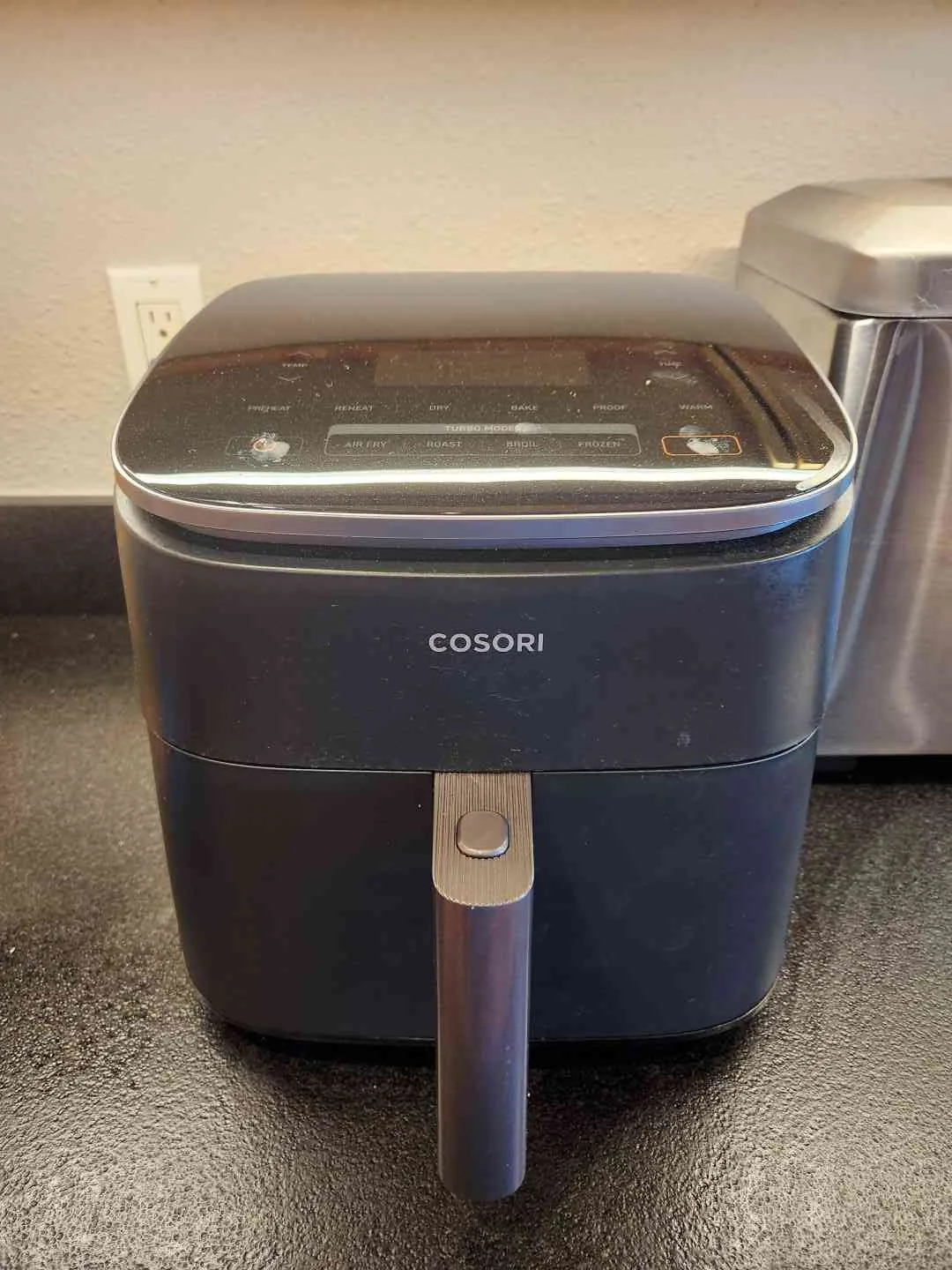
Crispy "fried" food with far less oil. Hot air circulates around the food for an even crunch.
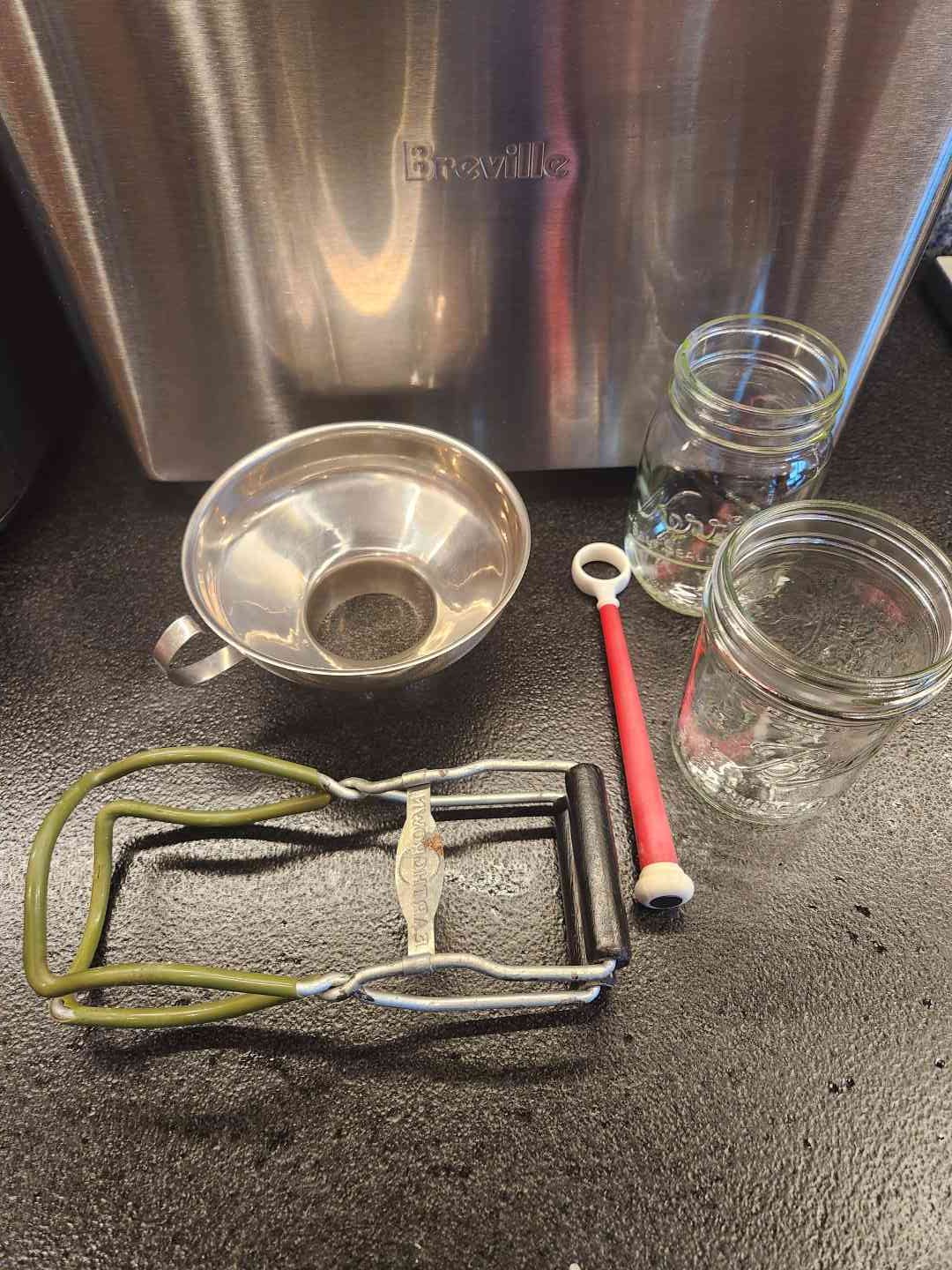
For putting up tomato sauce, other sauces and fruit at home. Only worth it if you buy produce in bulk or have an edible garden.
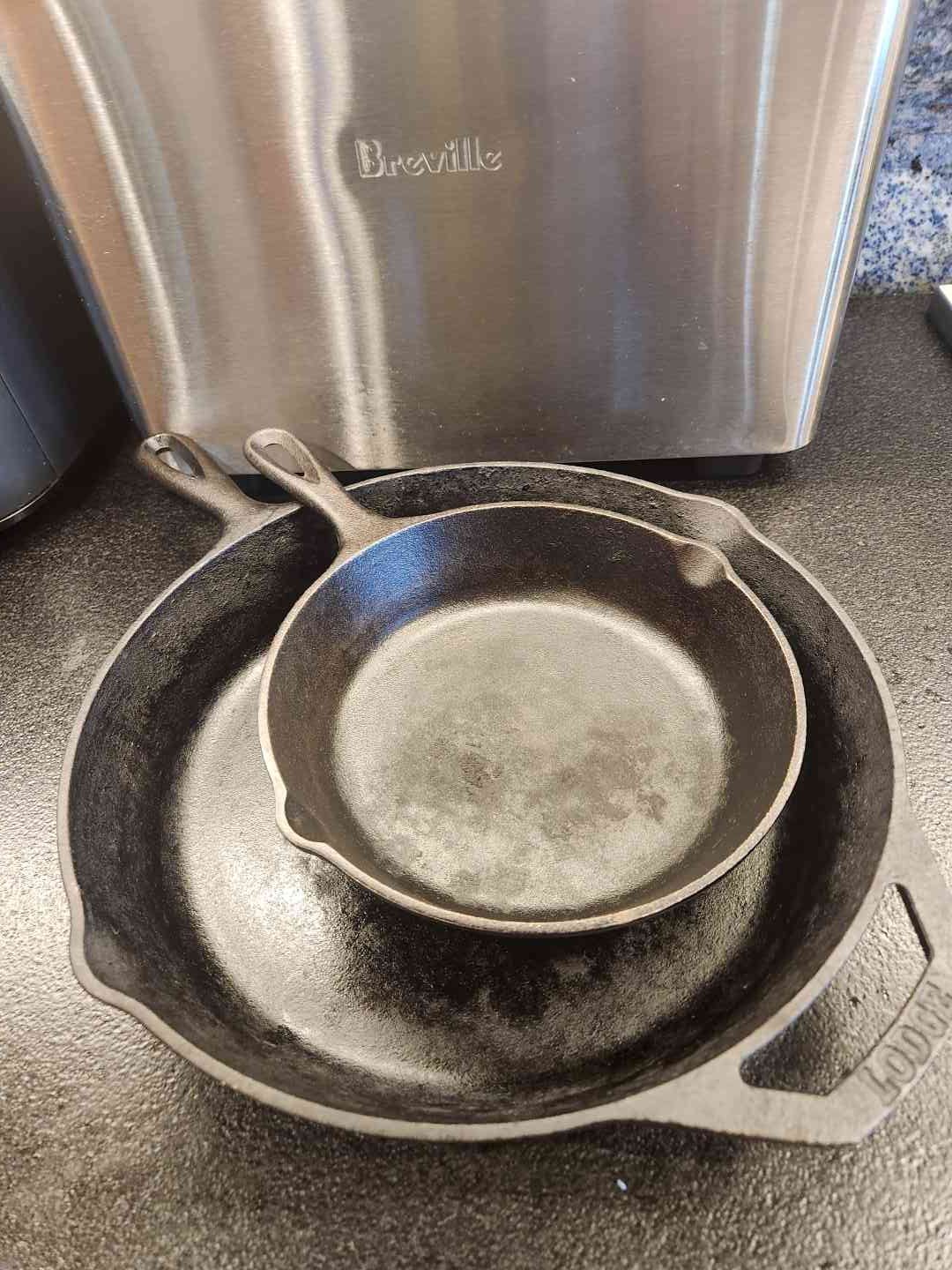
Holds heat beautifully for searing, frying and baking. With seasoning it develops a natural nonstick surface that gets better with use. Inexpensive, and it can last a lifetime.

A carbon steel works well for searing, frying, and sautéing. With proper seasoning, it develops a natural non-stick surface. These pans are best for super high heat and handle it beautifully. We want pans which will never need to be replaced with proper care.

Durable, rust-resistant and great for even browning. "Ply" is the number of metal layers; more layers usually means better heat and durability. Ours are 5-ply and we've had them for years. With proper care, they're a buy-once purchase.
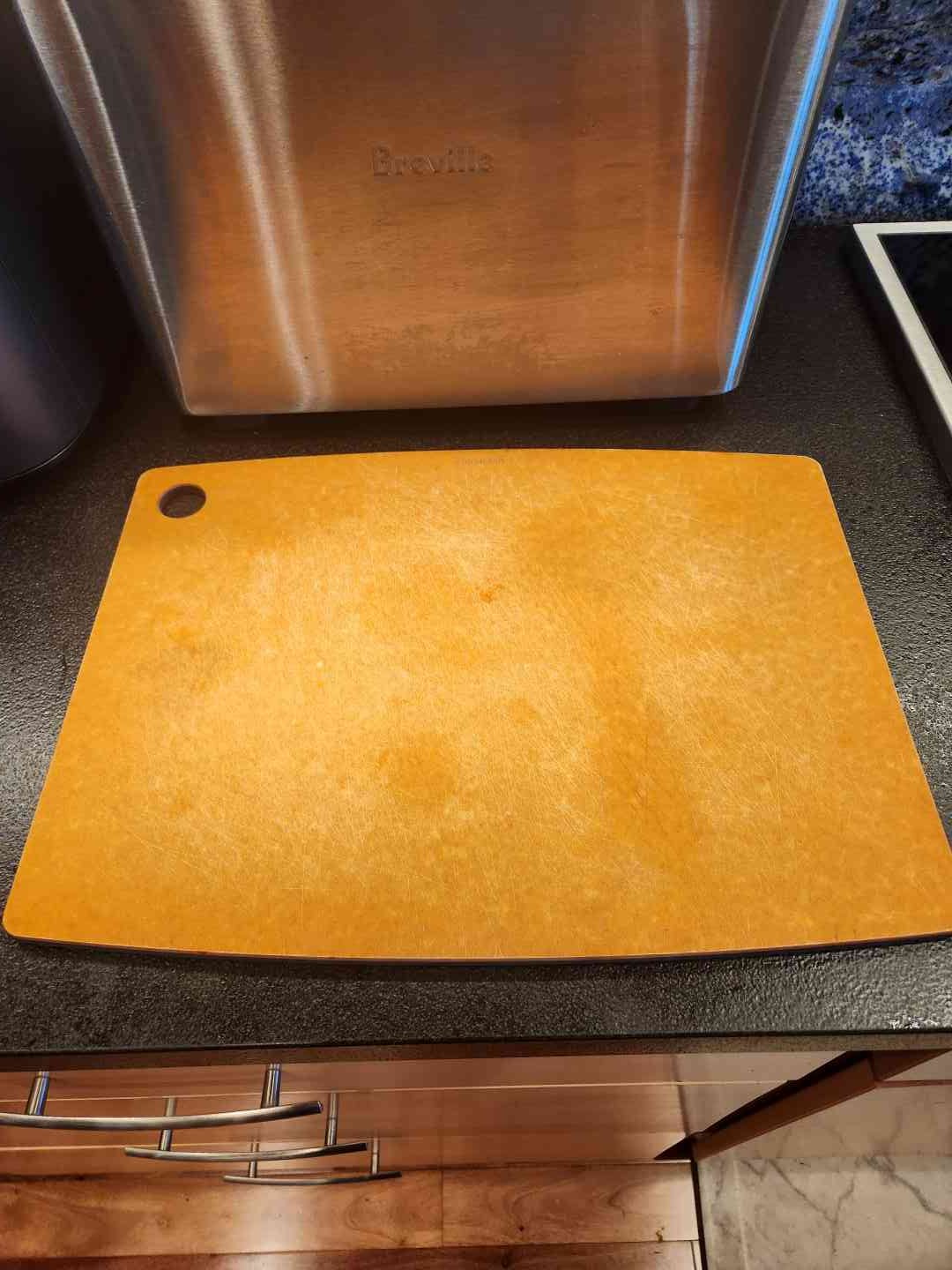
Low sodium cooking means a lot of chopping. Glass and metal boards dull knives fast, and plastic boards can shed tiny bits into food. Oiled now and then, a wood board lasts for years.
Coconut aminos, low sodium or salt-free broth, vinegars, garlic and oils. These make it easy to cook a quick meal, whether it's a salad or a stir-fry. For us, the hardest part of eating low sodium is resisting the urge for takeout, so make it easy on yourself by keeping everything on hand so you don't have to run to the store.
First, see if there is a lower sodium version you can buy. If not, try making it yourself without added salt, like a spice blend or a sauce. If it is hard to make at home, use less of it in the recipe and boost the other flavors in the dish with low sodium aromatics, acid, sweetness and heat.
Any kitchen needs the basics like pots, pans, cutting boards and a good knife. For low sodium cooking, we highly recommend an electric pressure cooker like an Instant Pot. We haven't bought canned beans in three years, it makes broth in half an hour, and we also use it to cook rice.